Seoul in January: What to Do and Where to Walk
Updated 25 November 2026
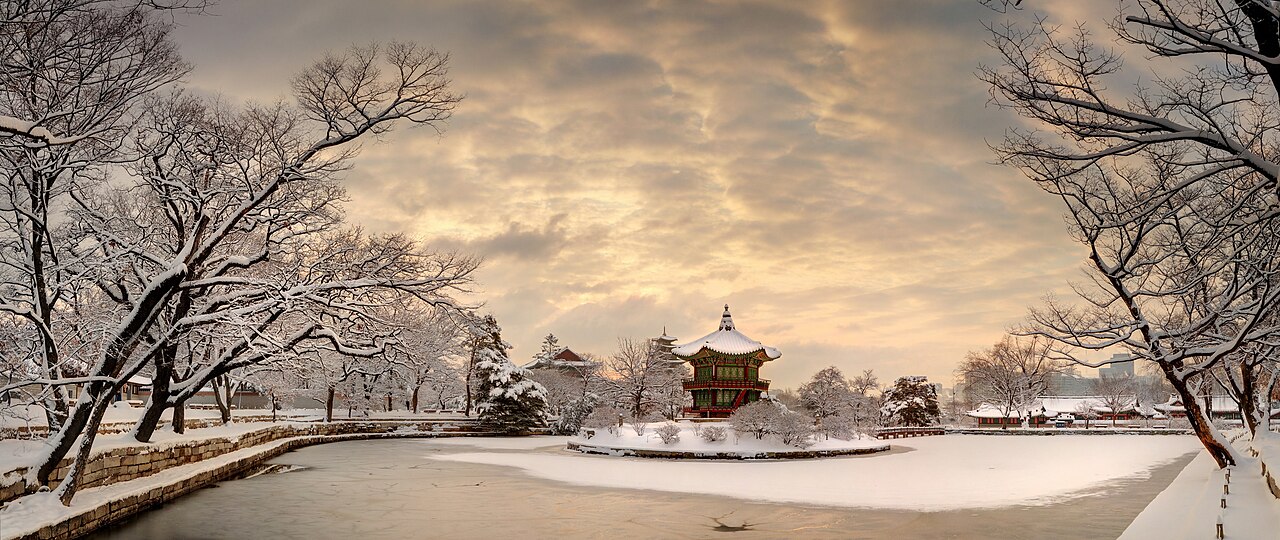
January is Seoul’s coldest month, and one of its clearest. The skies are often a hard bright blue, the crowds of the holidays thin out after the first week, and the winter lights stay up for most of the month. If you’re planning a trip to Korea in January, come for that: cold, quiet days and long, lit-up evenings.
Here’s what we’d do in Seoul in January, and the short walks we’d pair with it.
How cold is Seoul in January?
Properly cold. Many days stay around freezing or below it, and a cold wave from Siberia can push nights far lower for a few days at a time. It’s a dry cold, though, and on a still, sunny afternoon a walk feels lovely. Dress in layers, cover your ears and hands, and wear shoes with a good grip in case of ice.
The sun rises at about a quarter to eight and sets at around half past five. Plan the outdoor walks for late morning to mid-afternoon, when it’s warmest, and keep the evenings for the lights.
1 January: the first sunrise
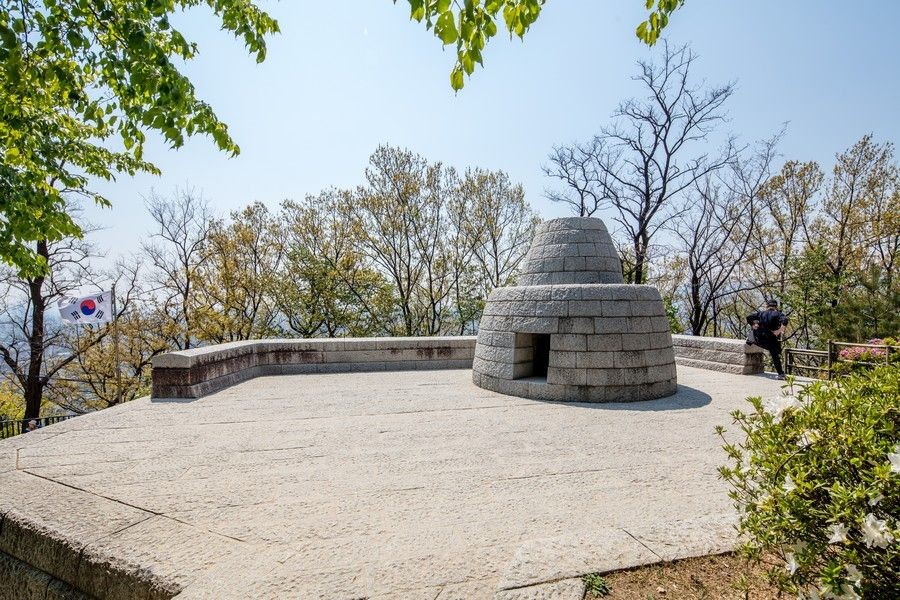
The year starts before dawn, when people climb small hills all over the city to watch the first sunrise, with drums, warm tea and wishes for the year. Our New Year’s Eve guide has the midnight bell at Bosingak and the sunrise spots we’d pick.
The last of the winter lights
The best of Seoul’s Christmas lights stay up well into January. The Seoul Lantern Festival fills Cheonggyecheon stream until 31 January, and the Christmas film on the front of the Shinsegae main store in Myeongdong plays every evening from 5 pm until the end of the month. Both are outdoors and free.
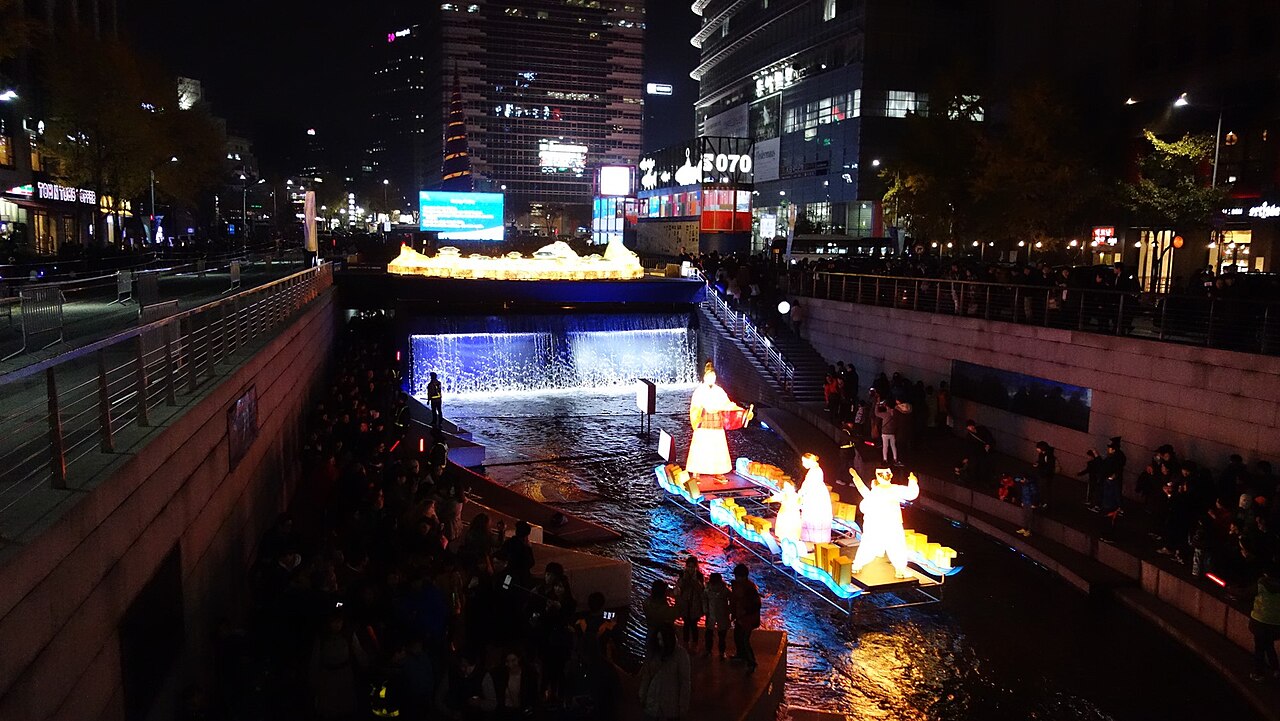
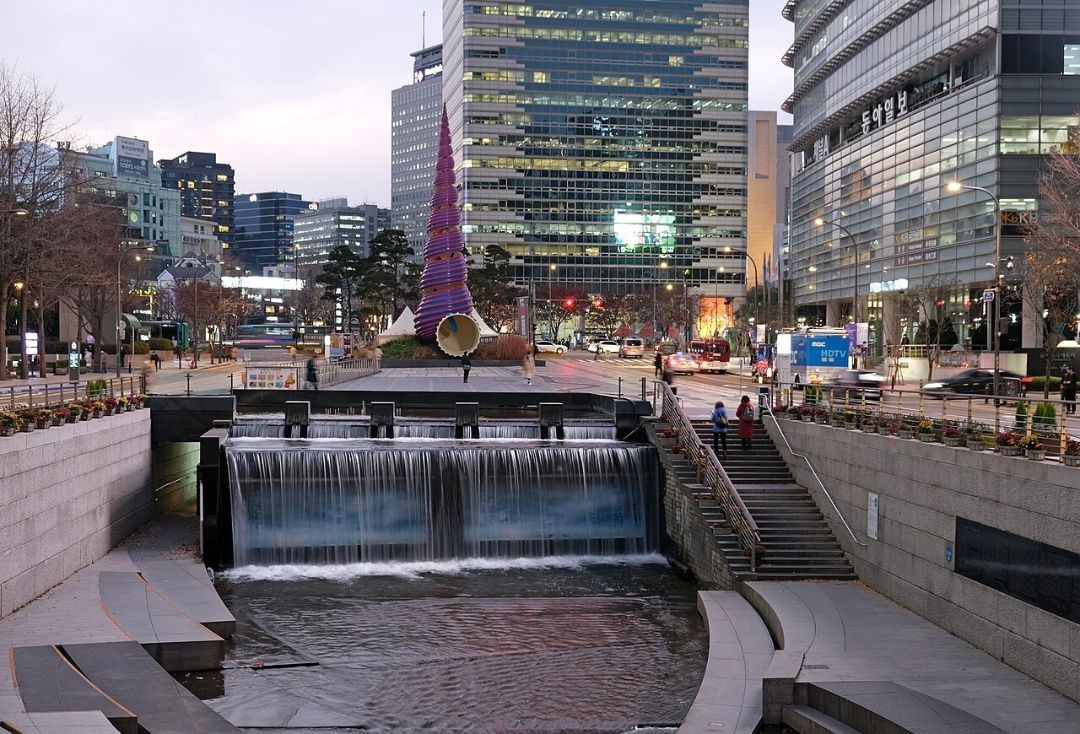
Come early in the month for the rest: the Gwanghwamun Market on Gwanghwamun Square runs until 10 January, and the Christmas market under Lotte World Tower until 3 January. This evening walk links Myeongdong, the lanterns and Gwanghwamun in a little under 3 km.
Skating in front of City Hall
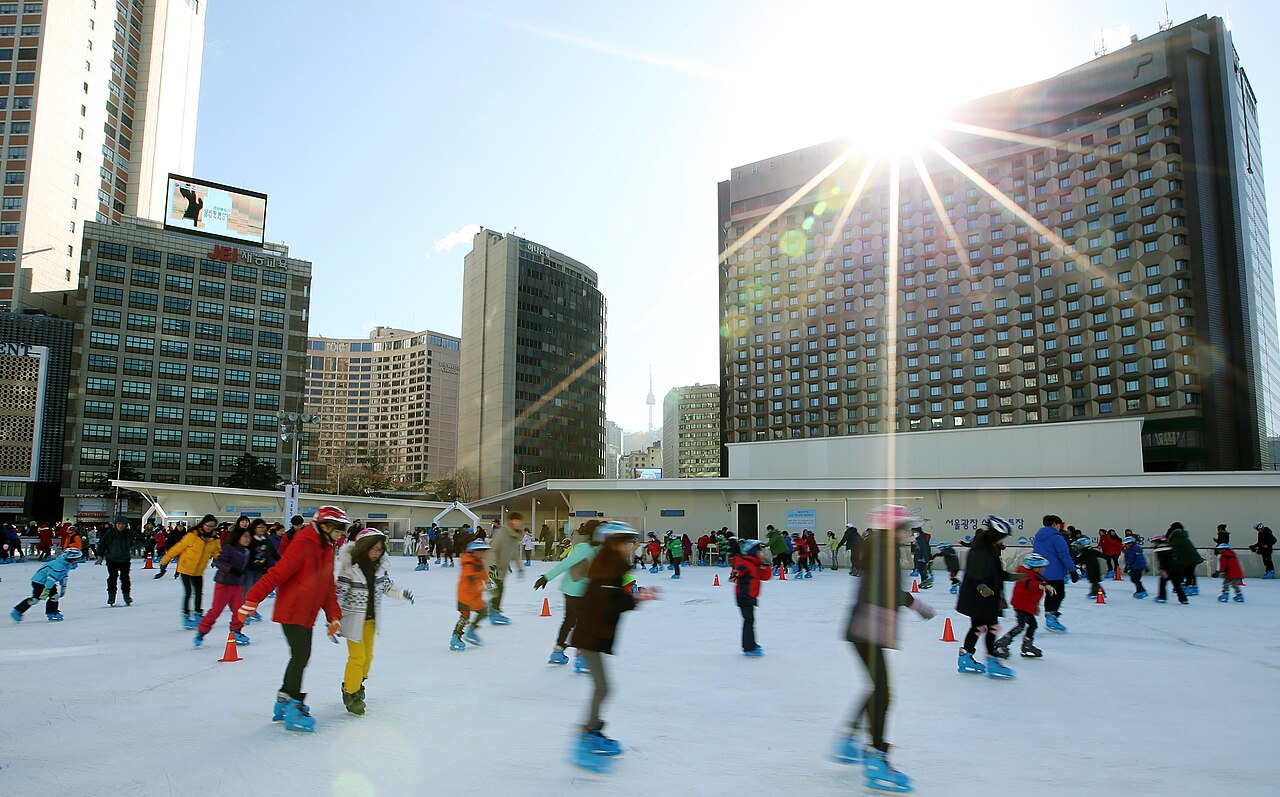
Every winter an outdoor ice rink fills Seoul Plaza, in front of City Hall. Last season it ran from 19 December to 8 February, and an hour on the ice cost 1,000 won with skates and a helmet included, a price it has kept since it first opened in 2004. Half the tickets are sold online and half at the rink. This winter’s dates hadn’t been announced when we wrote this, so check before you go.
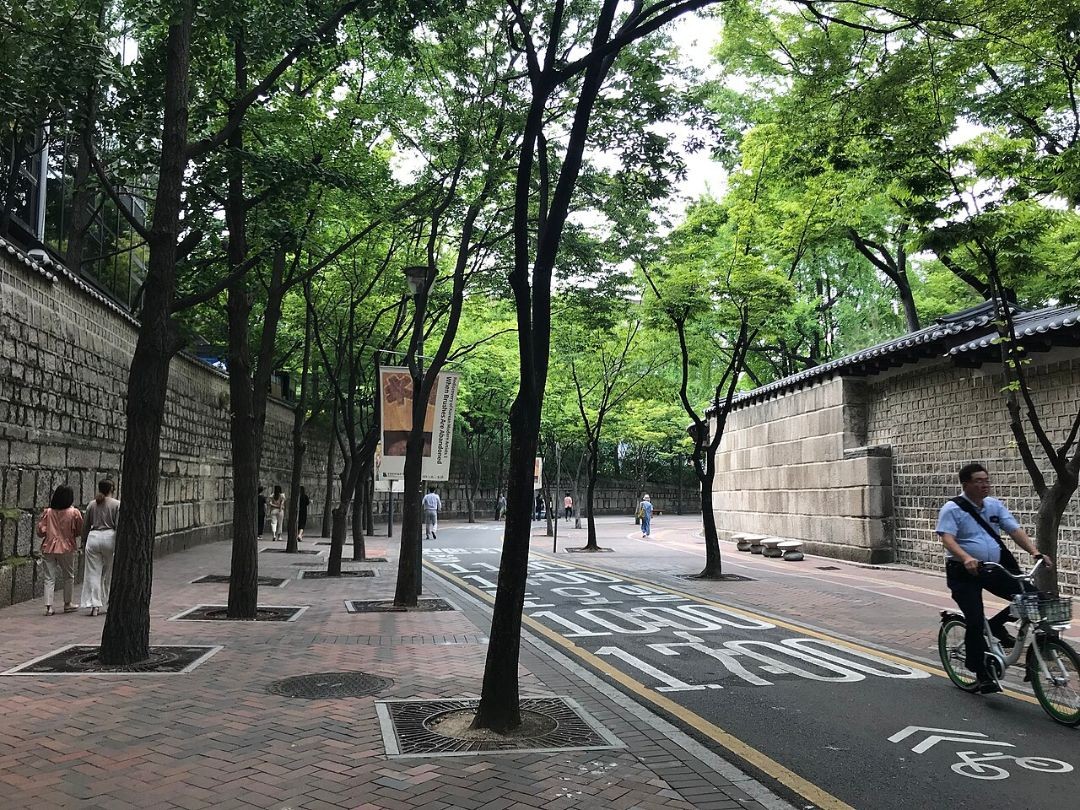
Afterwards, warm up with a walk along the stone wall road beside Deoksugung palace, just across the road. It’s the calmest street in the centre, and after snow it’s one of the prettiest.
Walks for a snowy morning
Snow in Seoul doesn’t usually last long, so if you wake up to it, go out early. Eunpyeong Hanok Village, at the foot of Bukhansan, is our favourite: tiled roofs under a white mountain, a short bus ride from Gupabal Station. People live here, so keep your voice down in the alleys.
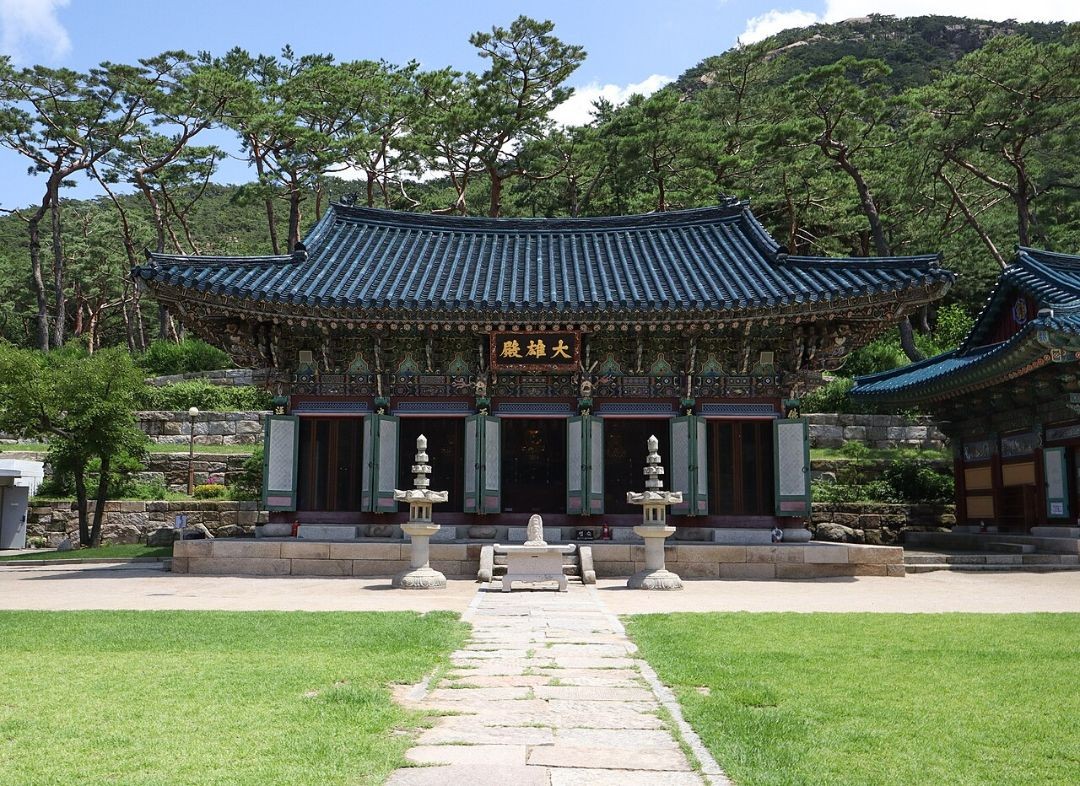
In the centre, the old fortress wall at Naksan looks lovely with snow along the top of the stones, and the city is spread out below you. Stairs and slopes can be icy after snow, so take it slowly.
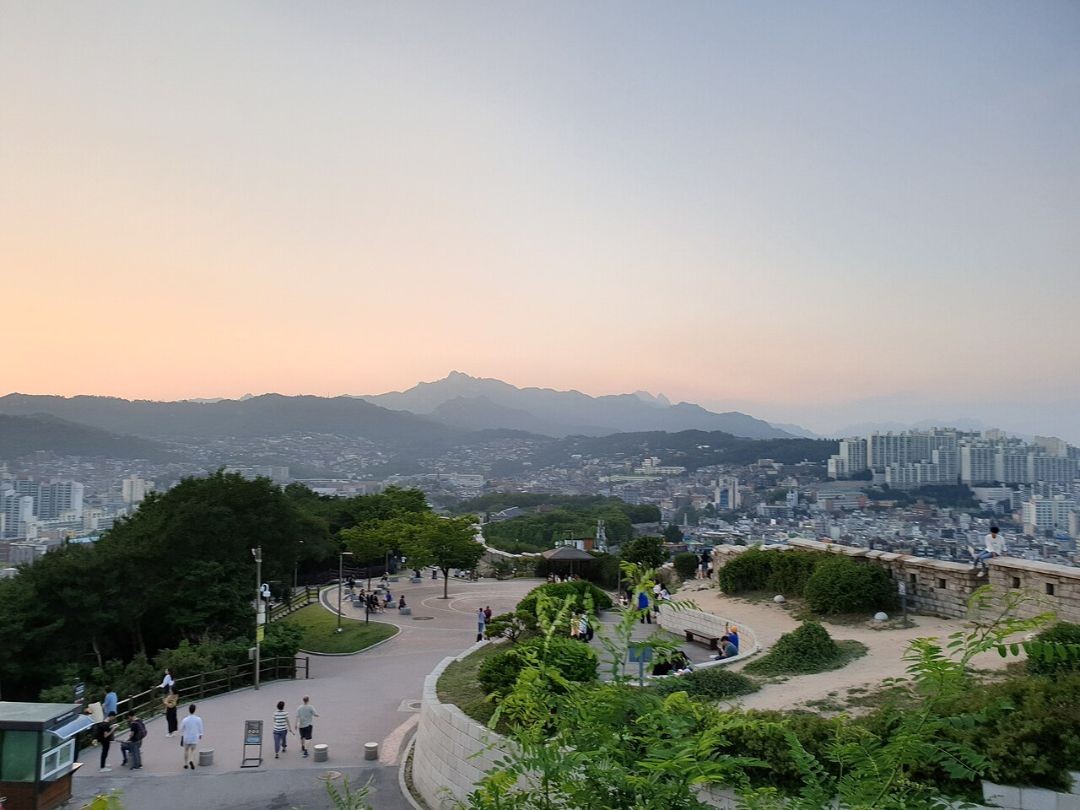


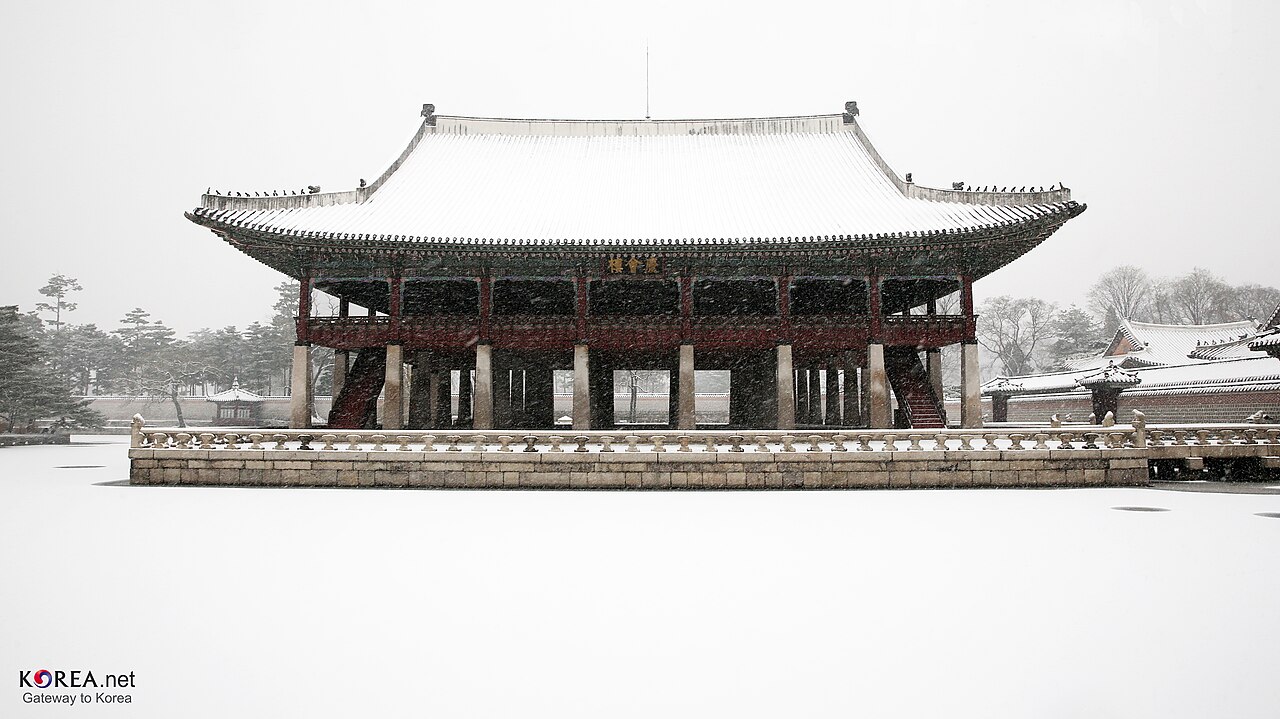
And if you can get to a palace, go. Gyeongbokgung under fresh snow is one of the loveliest sights in the city: white roofs, a frozen pond and very few people early in the day. It’s closed on Tuesdays.

When it’s simply too cold
Some January days are for being indoors. Starfield Library at COEX keeps its Christmas display until 31 January, and the National Museum of Korea is big enough for a whole day. Our Seoul in winter guide pairs four short park walks with a museum, a library and a greenhouse, so you still get some air.
A few things we’d tell you first
- Plan around the daylight: walks from late morning, lights after about half past five.
- Pocket hand warmers, called hot packs (핫팩), are sold in every convenience store. Buy a few.
- After snow, the stairs down to Cheonggyecheon are sometimes closed. Follow the stream at street level instead.
- Event dates can change. Check each organiser’s notice before you go.
- Coming earlier? Seoul in December has the month before.
Wrap up warm, and enjoy the quiet.
Take these walks with you. Every walk on this page opens in Gogil, our walking app, with the route and its stops on a map you can follow as you go.
Found a walk of your own? You don’t have to live here to add one. Mark the stops on the map, write a line about each, and share it: Gogil is for anyone who loves Korea, whether you are here for a week or for good.
On an iPhone, open gogil.kr in your browser: it works there without installing anything. The app’s menus are in English; the walks’ own text in the app is in Korean.