New Year’s Eve in Seoul: The Bell and First Sunrise
Updated 24 November 2026
Seoul sees in the New Year twice. First at midnight, when the old bell at Bosingak rings and the countdowns light up the city centre. Then again at dawn, when people climb the small hills all over the city with a flask of something warm to watch the first sunrise of the year.
You can do both if you don’t mind a short night. Here’s how we’d spend it, with walks for each part.
A note before you plan: the city announces each year’s programme in December. The times below are from last New Year (2025 to 2026), so check the official announcements before you go.
Midnight: the bell at Bosingak
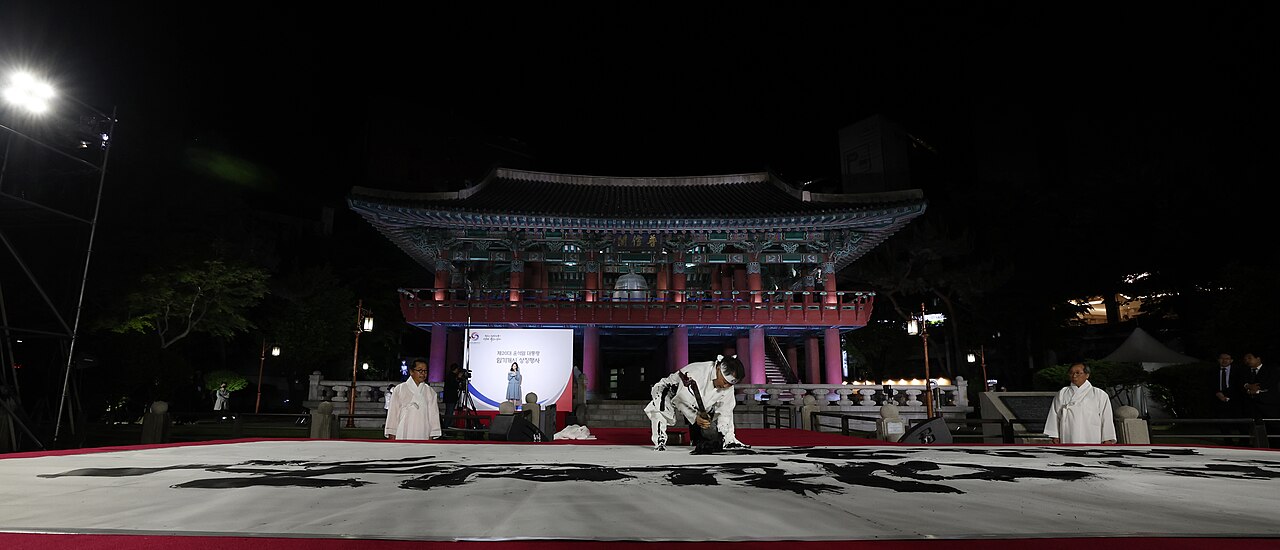
Bosingak is the bell pavilion on Jongno, a short walk from Jonggak Station. At midnight the bell is struck 33 times, the same count that once opened the city gates at dawn in the Joseon era. Last year the ceremony ran from 10:50 pm to 12:20 am, with music before and after and a countdown just before midnight.
It gets very crowded, and the roads around Bosingak were closed to cars from the evening until the next morning. Arrive early, dress for standing still in the cold, and agree on a meeting point in case you get separated.
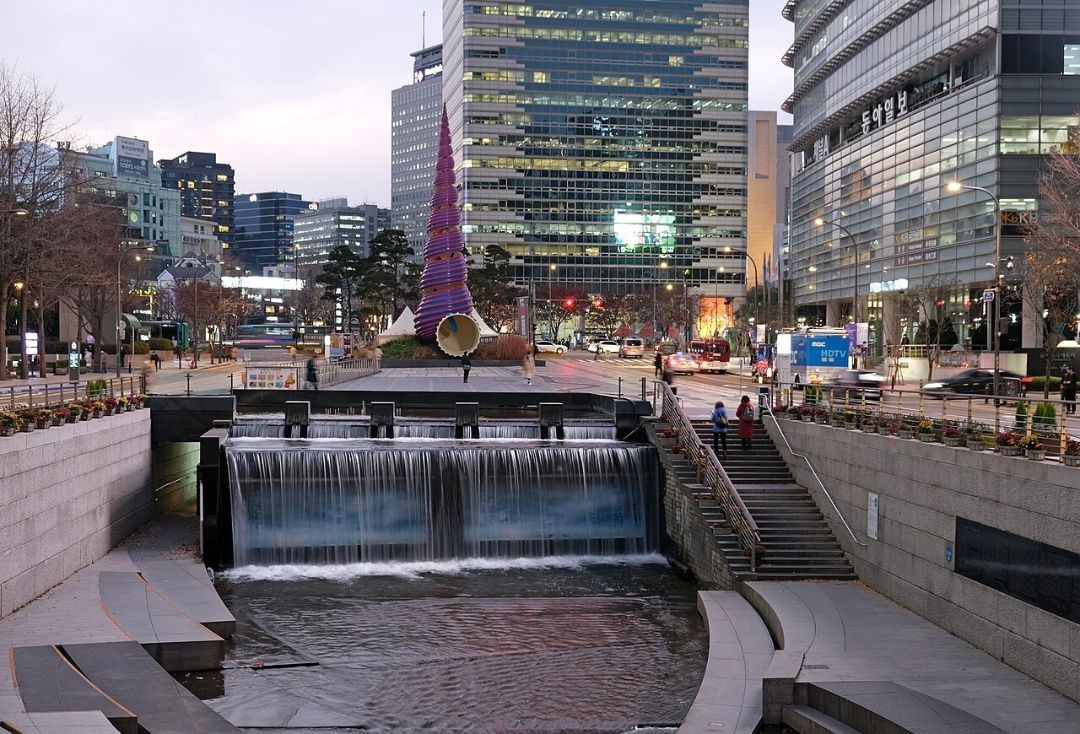
If you’d like a walk first, follow Cheonggyecheon stream in the early evening. It runs just south of Bosingak, and it’s much calmer before the crowds arrive.
Countdown shows around the city
If you’d rather have screens and fireworks than a bell, there are countdown shows too. Last year Myeongdong Square ran a video countdown with K-pop and fireworks, Gwanghwamun Square had a large media art show on its outdoor screens from 11 pm, and Sinchon held a countdown concert on Yonsei-ro.
Myeongdong and Gwanghwamun are connected by one of our evening walks, past the lights on the department stores and down along Cheonggyecheon. Walk it early in the evening, then pick your spot for midnight.
Getting home after midnight
Last year the subway ran later than usual on New Year’s Eve, until about 2 am on lines 1 to 9, and the buses through the centre ran late too. Expect queues at the stations nearest Bosingak, and consider walking one or two stops before getting on.
Dawn: the first sunrise of the year
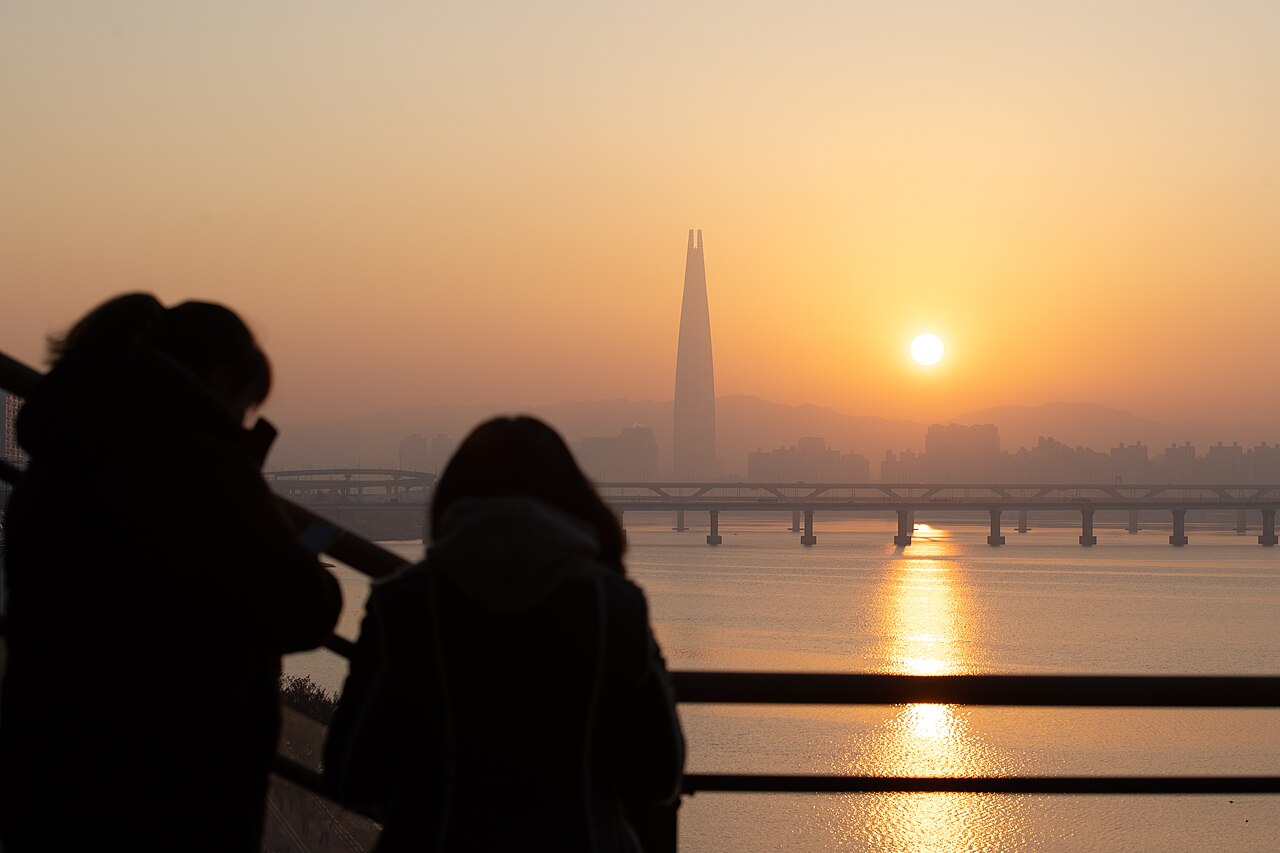
Watching the first sunrise, haemaji, is a big part of New Year in Korea. On 1 January the sun rises in Seoul at about 7:47 am, and last year sixteen districts held sunrise events on hills and in parks, usually with drumming, warm tea and a few words of good luck for the year.
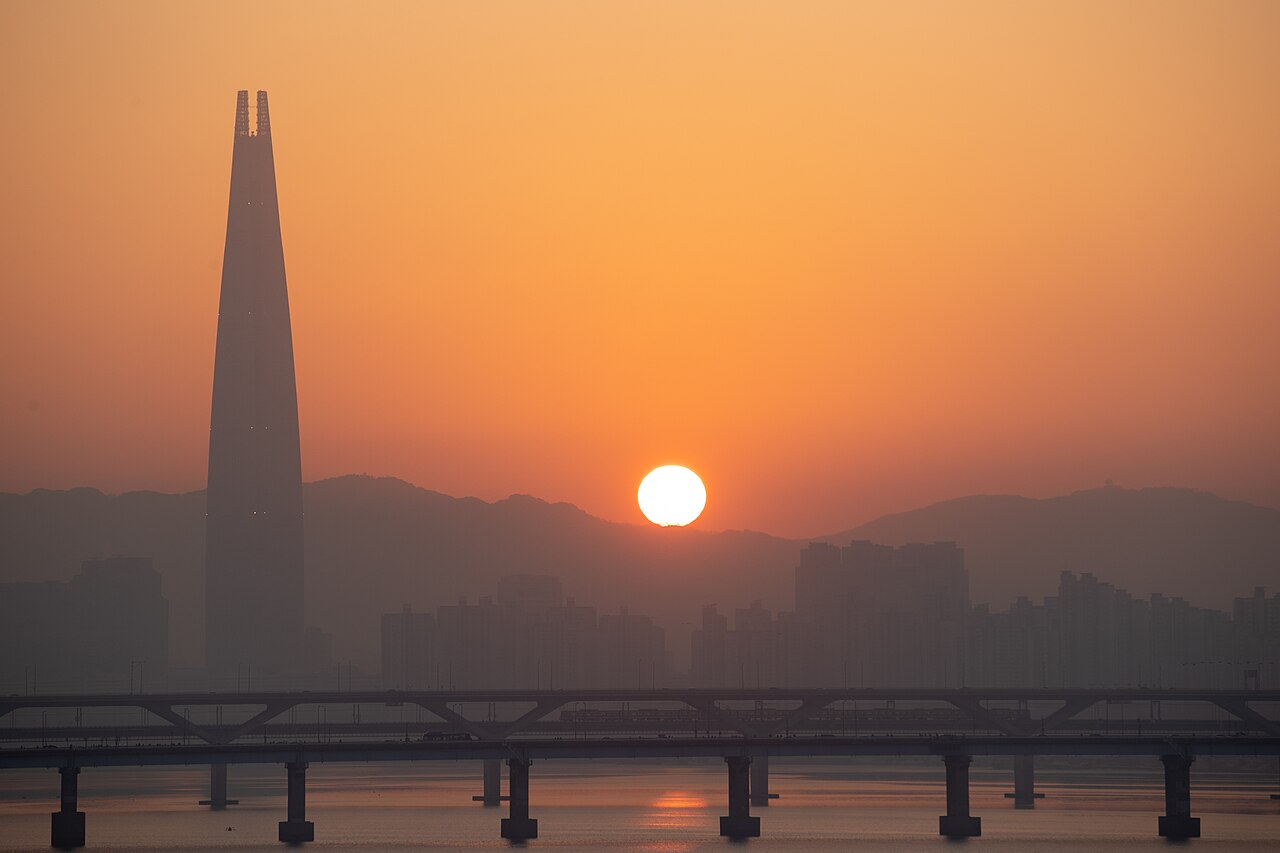
The sunrise photos here were taken by the river in Seongsu-dong on 1 January 2023. For a hill and a short walk, these are the ones we’d pick.
- Bonghwasan in Jungnang-gu held its event around the summit last year. The climb from Bongsudae Park is short, and the summit looks out over the city towards Namsan.
- Achasan in Gwangjin-gu held its festival from 6 am at Eoullim Plaza, at the foot of the mountain.
- Olympic Park in Songpa-gu welcomed the sun from Mangwolbong, the high point of the old earthen fortress, Mongchon Toseong.
- Dream Forest in Gangbuk-gu held its event on the park’s big lawn, a flat option if you don’t want to climb in the dark.
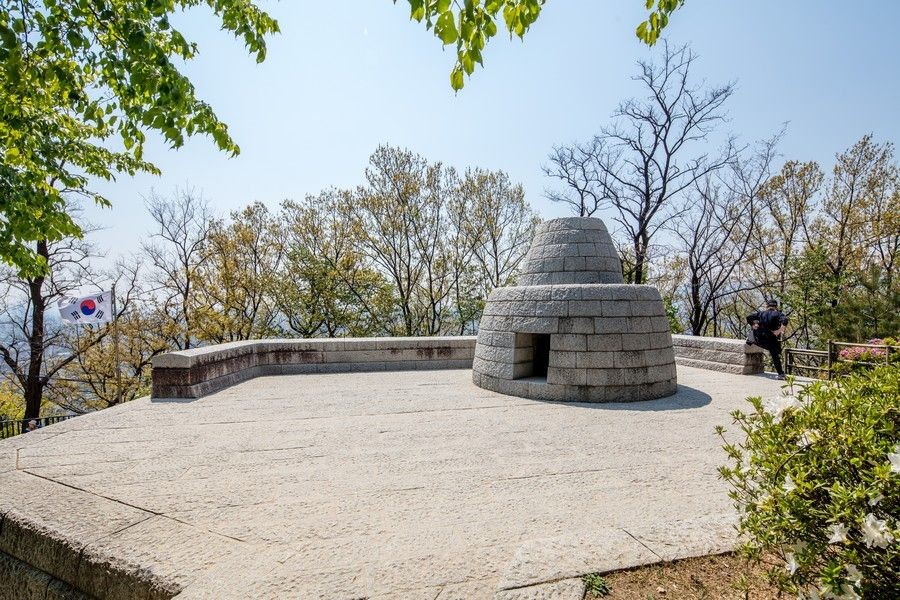
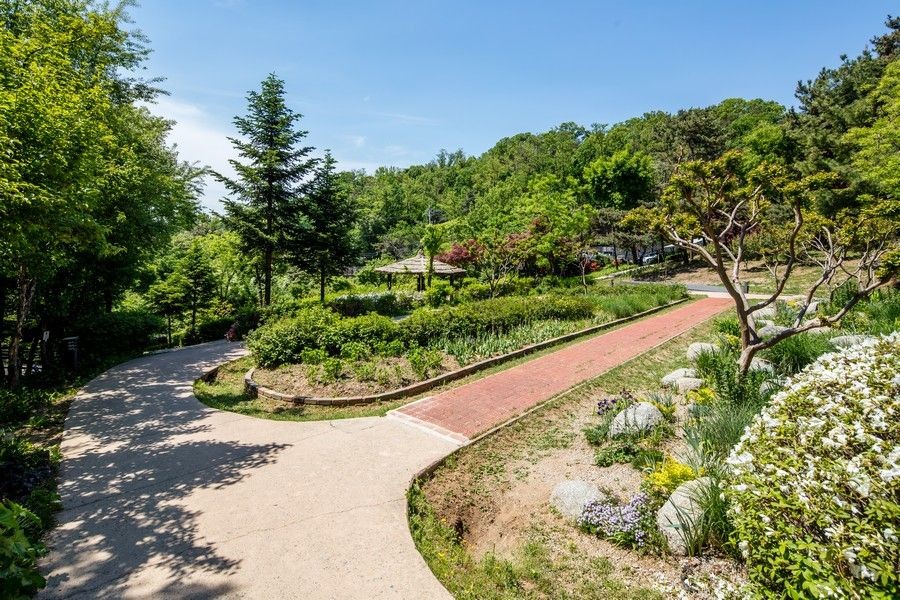
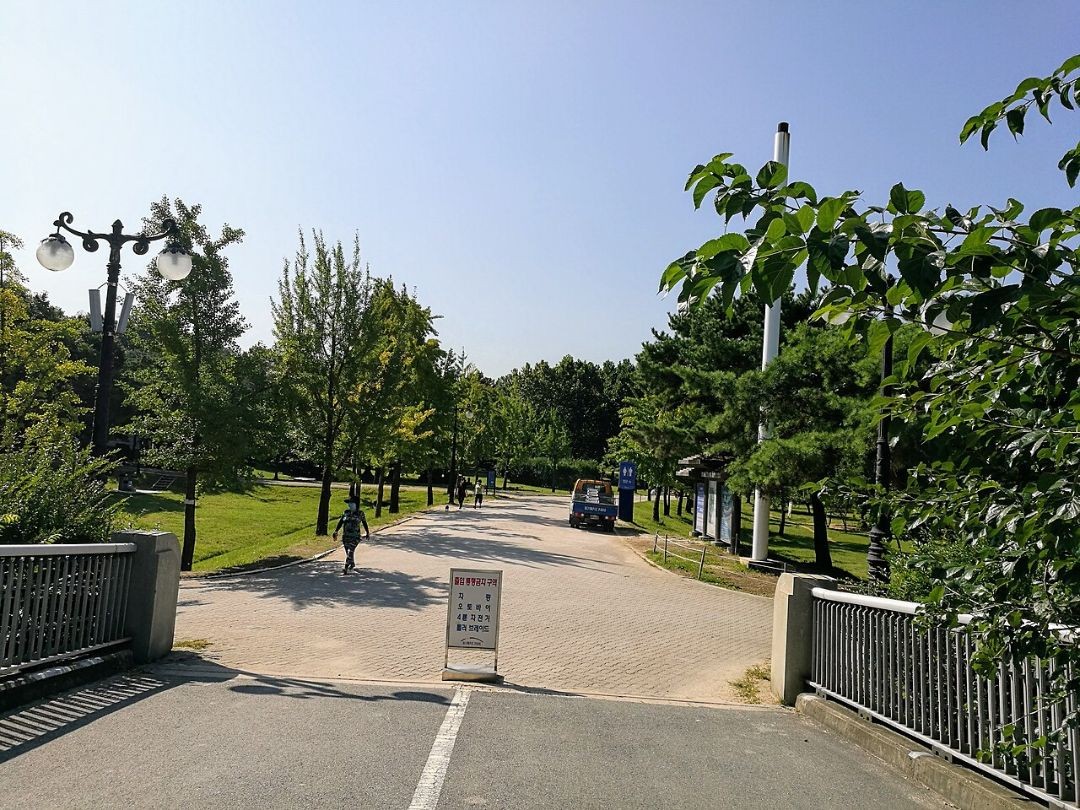
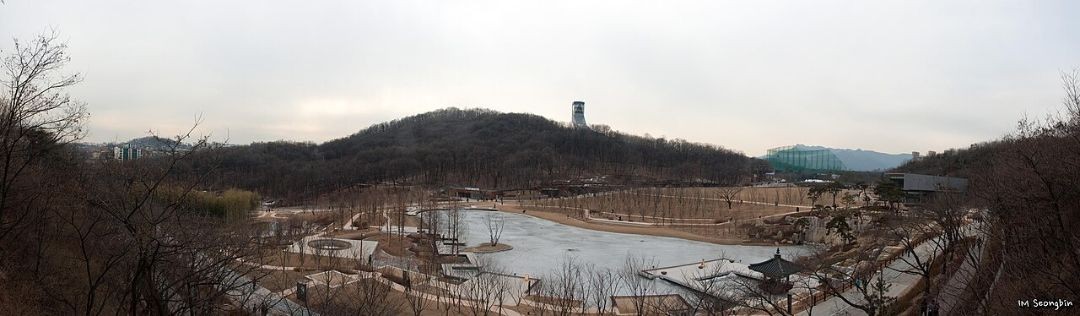
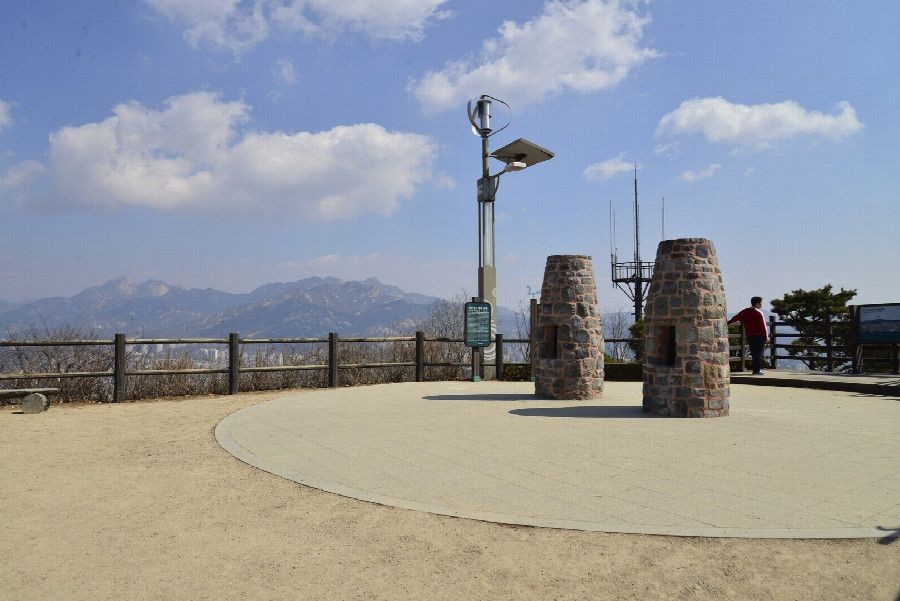
For something quieter, Bongsan in Eunpyeong-gu has a summit park called Sunrise Park. It wasn’t on last year’s list of official events, so you’ll find fewer people and no programme, just the view.


A few things we’d tell you first
- It’s usually below zero before dawn on 1 January. Wear layers, gloves and a hat, and bring a torch or use your phone light on the path up.
- Hill paths can be icy. Shoes with a good grip matter more than anything else.
- Get to a sunrise spot by about 7 am. The sky starts to glow well before the sun appears.
- Programmes change with the weather. Check the district office’s website before you go.
- Here before New Year? Seoul in December and Seoul at night have more walks for the cold, dark evenings.
Happy New Year, and have a lovely first walk of the year.
Take these walks with you. Every walk on this page opens in Gogil, our walking app, with the route and its stops on a map you can follow as you go.
Found a walk of your own? You don’t have to live here to add one. Mark the stops on the map, write a line about each, and share it: Gogil is for anyone who loves Korea, whether you are here for a week or for good.
On an iPhone, open gogil.kr in your browser: it works there without installing anything. The app’s menus are in English; the walks’ own text in the app is in Korean.