Hanok Villages in Seoul: 4 to Visit, and How
Updated 27 November 2026
A hanok is a traditional Korean house: a wooden frame, a tiled roof with upturned corners, and rooms set around a small courtyard. Seoul still has whole neighbourhoods of them, and they’re some of the loveliest places in the city to walk.
They’re also very different from each other. One is a real neighbourhood with visiting hours, one is all cafés, one is an open-air museum, and one sits under a mountain. Here’s how to choose, and how to visit each one well.
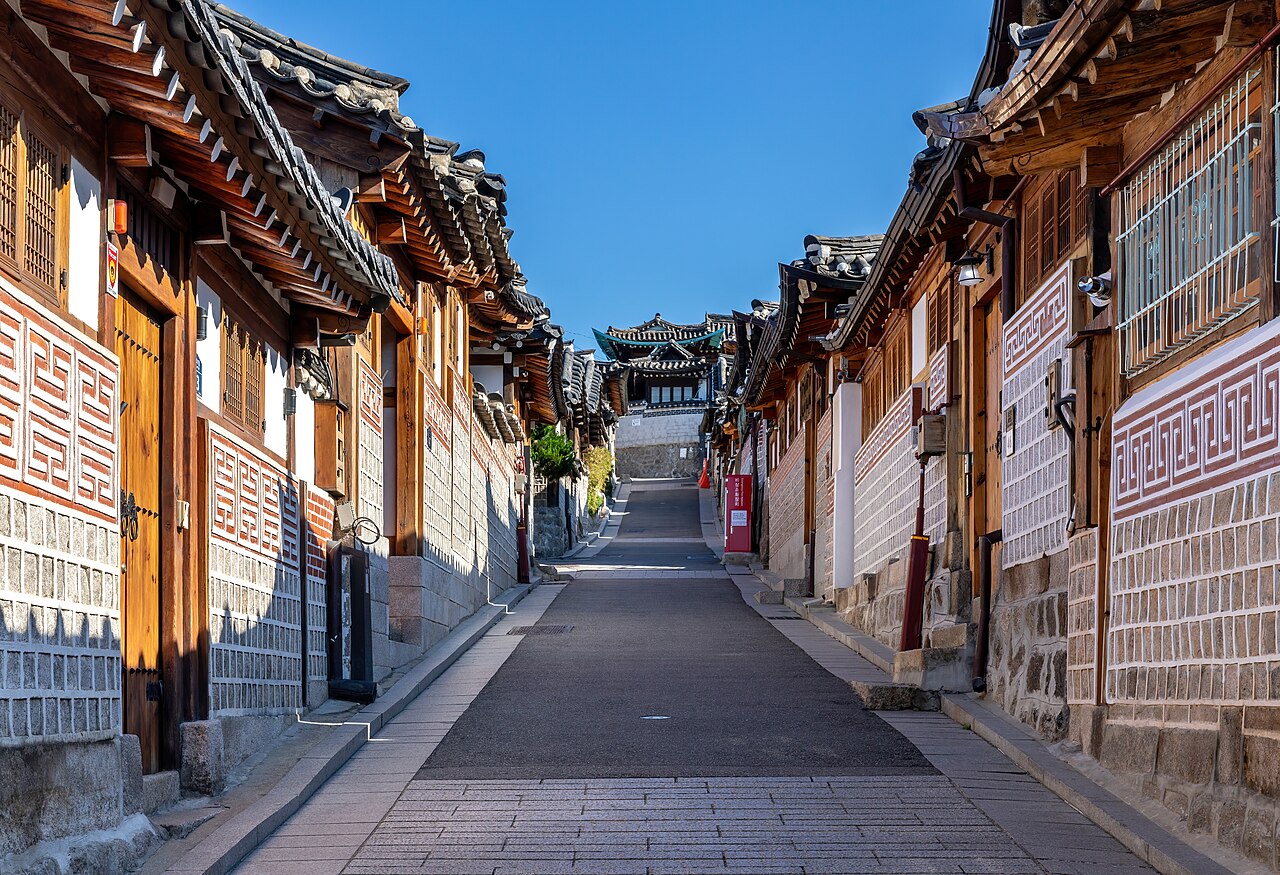
Bukchon: the famous one, with visiting hours
Bukchon lies on the hill between Gyeongbokgung and Changdeokgung, and its lanes of tiled roofs running down towards the city are the picture most people have of old Seoul. People live in these houses, and for years the crowds made their lives hard.
So there are rules now. In the residential lanes around Bukchon-ro 11-gil, marked as the Red Zone, visitors are allowed only from 10 am to 5 pm, and coming outside those hours can mean a fine of 100,000 won. Go in the morning, keep your voice down, and don’t photograph through gates or windows.
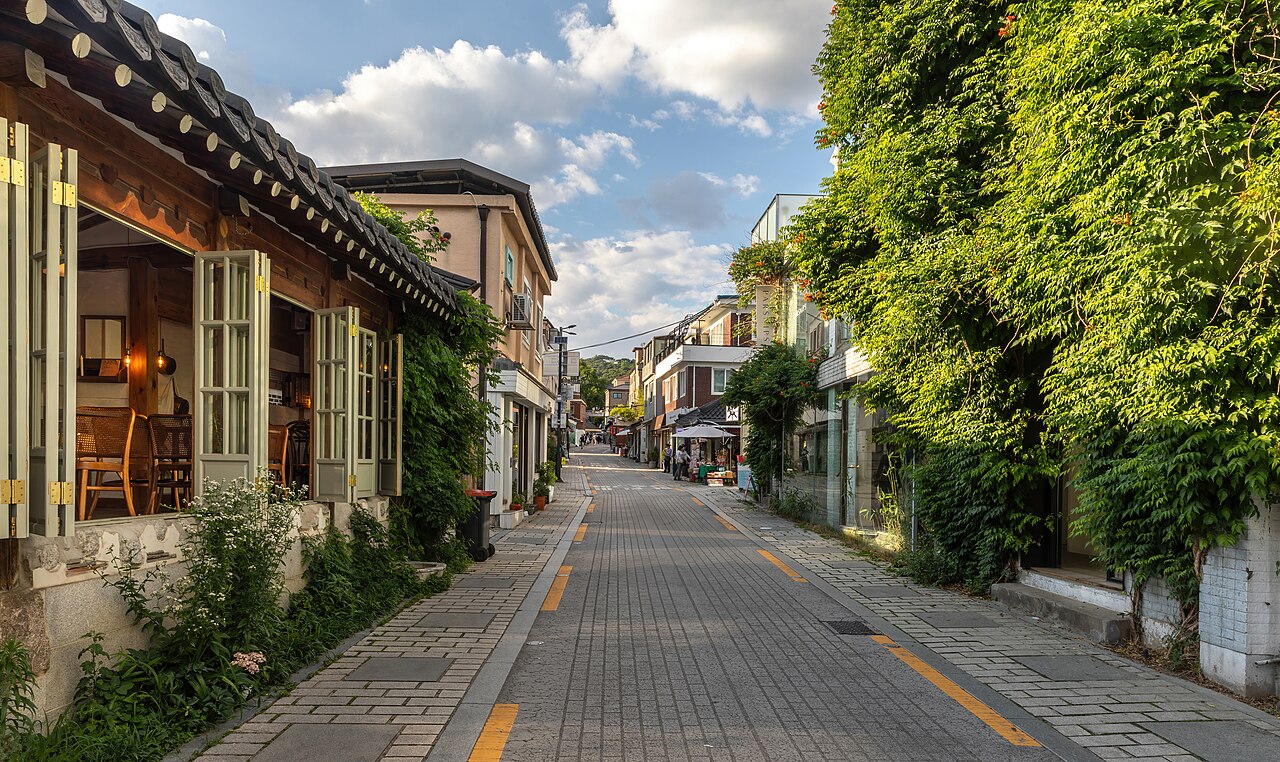
When the lanes close, the streets of small shops and cafés around them, such as Gyedong-gil, are still pleasant for a stroll. Anguk Station (Line 3) is the closest stop.
Ikseon-dong: hanok alleys full of cafés
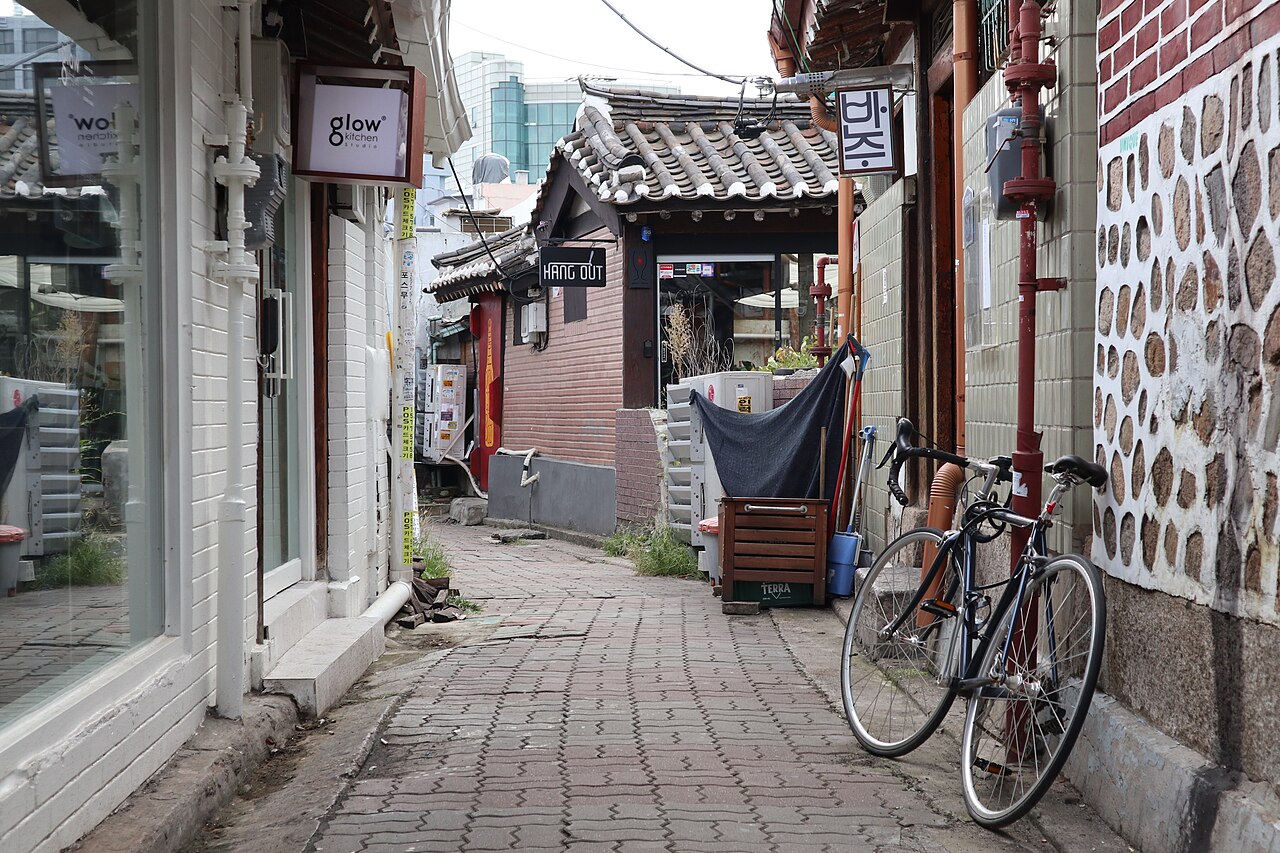
Ikseon-dong is a few blocks of small hanok from the 1920s and 30s, packed tightly along alleys barely wide enough for two people. Almost every one is now a café, a restaurant or a shop, so this is the hanok village to come to for a coffee or dinner. It’s busiest on weekend afternoons. Jongno 3-ga Station is right beside it.
Namsangol: free, and you can go inside
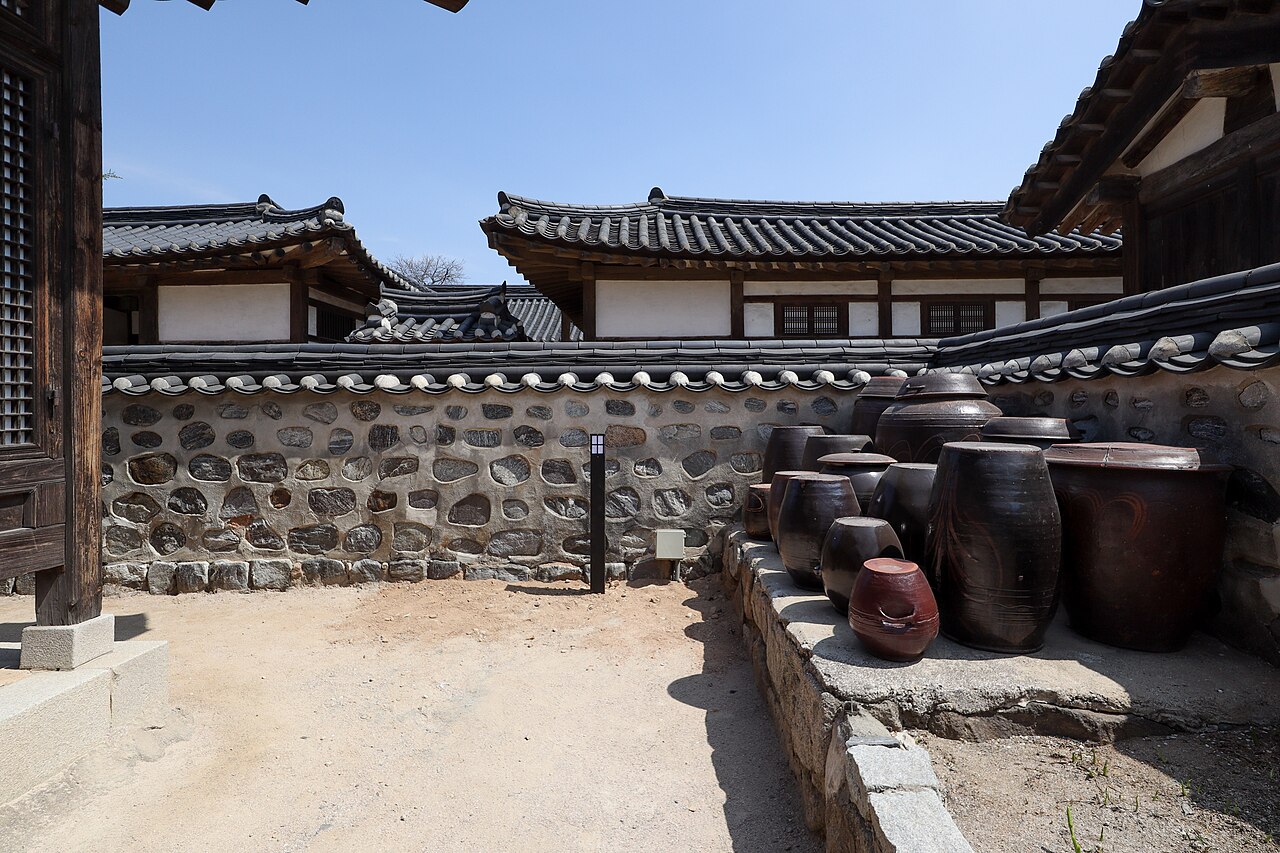
At the foot of Namsan, five traditional houses from around the city were moved here and restored, with their rooms, kitchens and courtyards set out as they once were. Nobody lives here, so you can look into every corner. Entry is free. The houses are open from Tuesday to Sunday, from 9 am to 8 pm in winter (9 pm from April to October), and closed on Mondays; the garden around them is always open. Take exit 3 or 4 from Chungmuro Station.
Eunpyeong: new hanok under a mountain
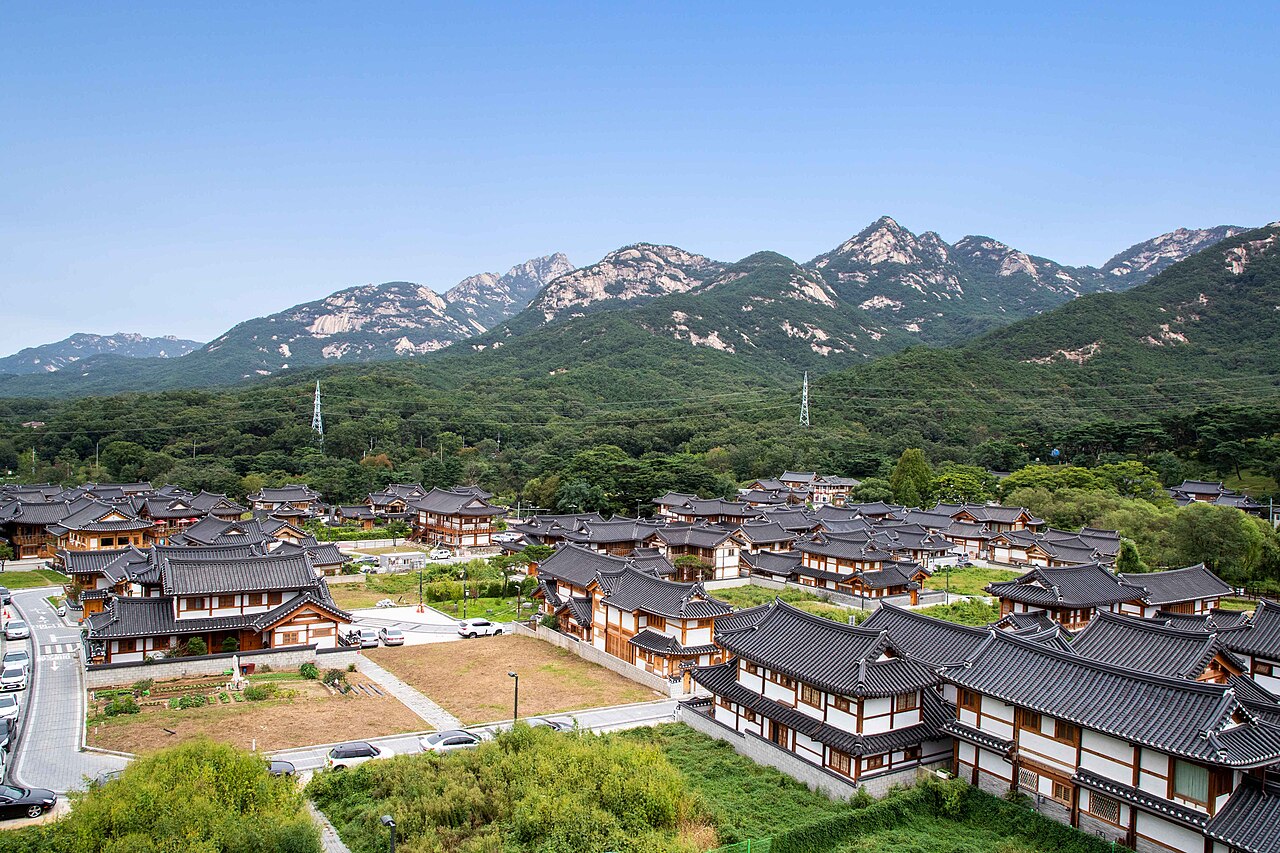
Eunpyeong Hanok Village is new, built in the 2010s at the north-western edge of the city, and that’s part of its charm: wide, quiet streets of large hanok with the granite ridge of Bukhansan right behind them. It’s a short bus ride from Gupabal Station (Line 3). People live here too, so keep to the streets.
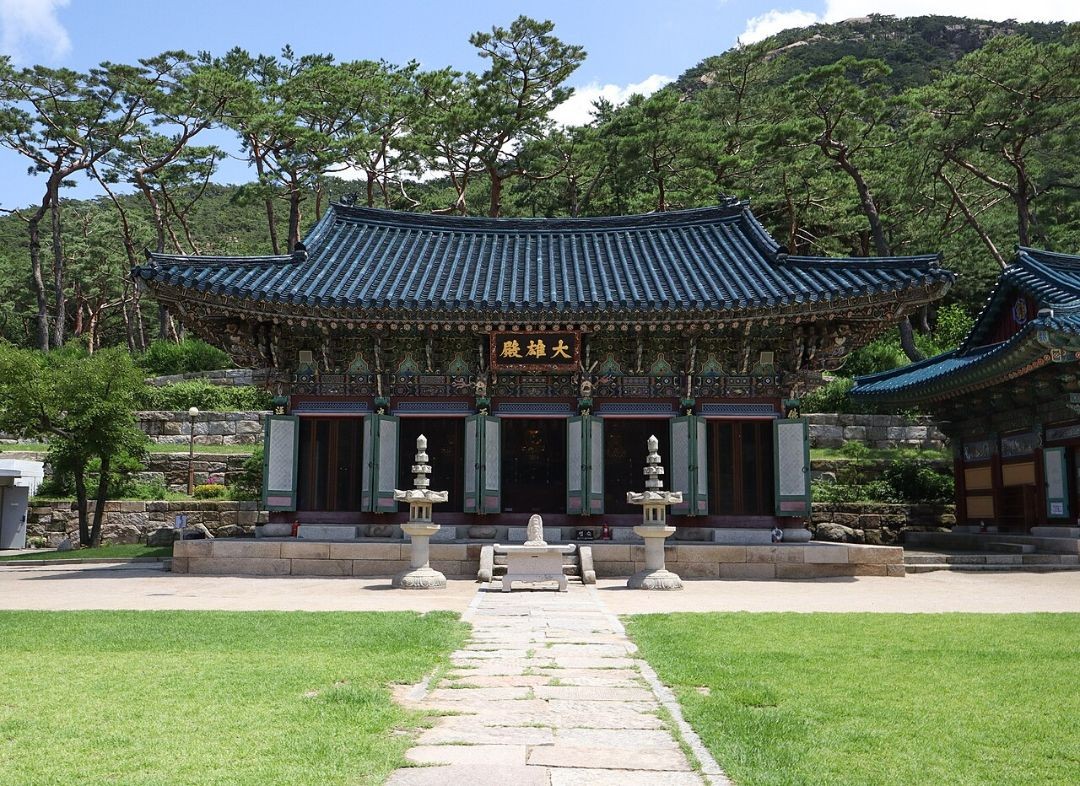
A ten-minute walk through the village brings you to Jingwansa, a temple at the foot of the mountain.
Two more old neighbourhoods to walk
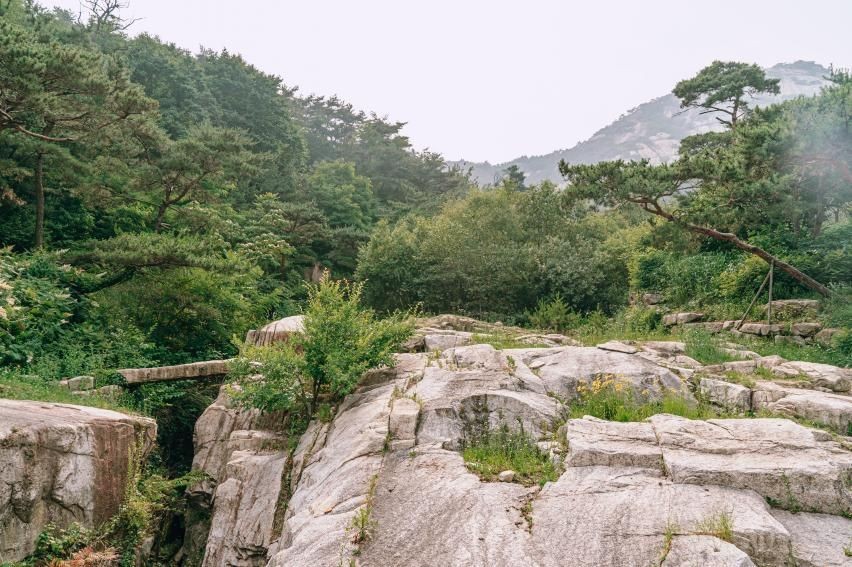
Not every hanok is in a village. In Seochon, west of Gyeongbokgung, they’re scattered among galleries and bakeries along alleys that climb to a rocky valley.
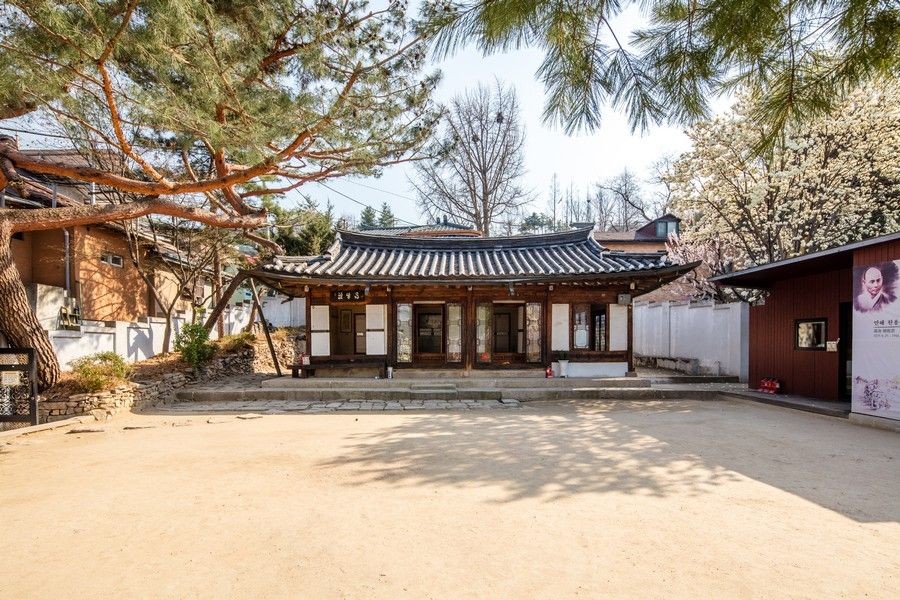
And in Seongbuk-dong, steep lanes lead up to Simujang, the small hanok where the poet Han Yong-un lived.


A few things we’d tell you first
- Short on time? Go to Bukchon in the morning and walk down to Ikseon-dong for lunch. They’re about fifteen minutes apart on foot.
- Bukchon and Eunpyeong are homes. Stay on the street, speak quietly, and leave drones and tripods behind.
- Rules and hours can change. Check the signs when you arrive.
- Bukchon sits between two palaces. Our Seoul palaces guide helps you pick one to pair it with.
Walk slowly. These streets were made for it.
Take these walks with you. Every walk on this page opens in Gogil, our walking app, with the route and its stops on a map you can follow as you go.
Found a walk of your own? You don’t have to live here to add one. Mark the stops on the map, write a line about each, and share it: Gogil is for anyone who loves Korea, whether you are here for a week or for good.
On an iPhone, open gogil.kr in your browser: it works there without installing anything. The app’s menus are in English; the walks’ own text in the app is in Korean.