Seoul Palaces: Which to Visit and Where to Walk Next
Updated 26 November 2026
Seoul has five royal palaces from the Joseon dynasty, all in the old centre and all within a short subway ride of each other. Most visitors see one, take a photo at the gate and move on. That’s a shame, because each palace has its own character, and each sits next to a part of the city that’s lovely to walk.
Here are the four we’d visit, plus Jongmyo, the royal shrine, with the day each one closes and the walk we’d take afterwards.
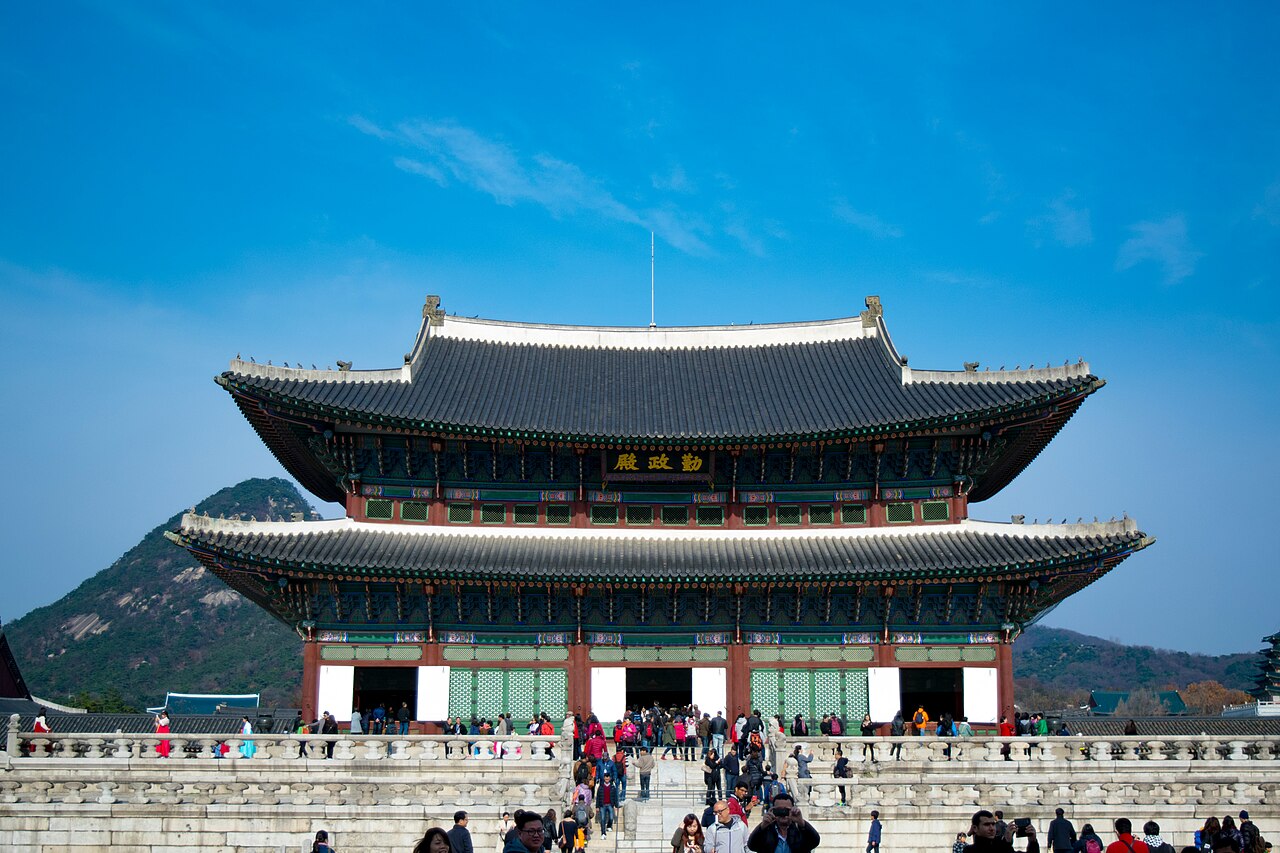
Gyeongbokgung: the big one
The largest and best known of the palaces, with the mountains rising right behind the throne hall. Come early, before the tour groups. The changing of the royal guard takes place at the main gate at 10 am and 2 pm and is free to watch. Gyeongbokgung is closed on Tuesdays.
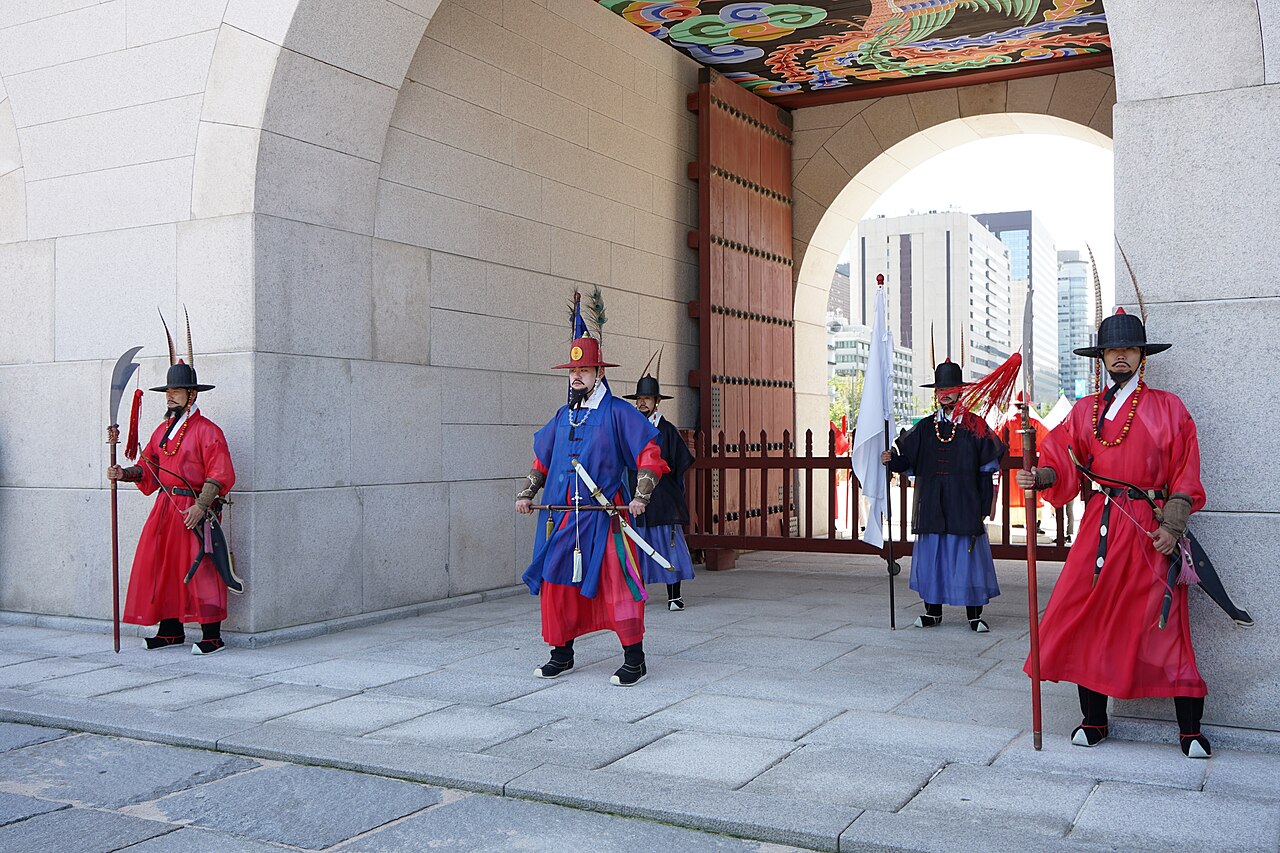
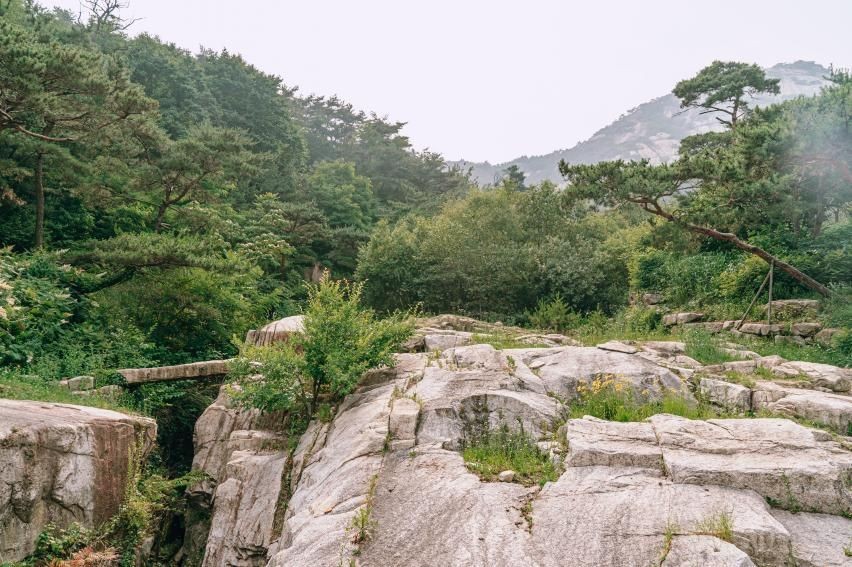
Afterwards, walk west into Seochon, the old neighbourhood beside the palace, and up its alleys to the rocks of Suseong-dong Valley.
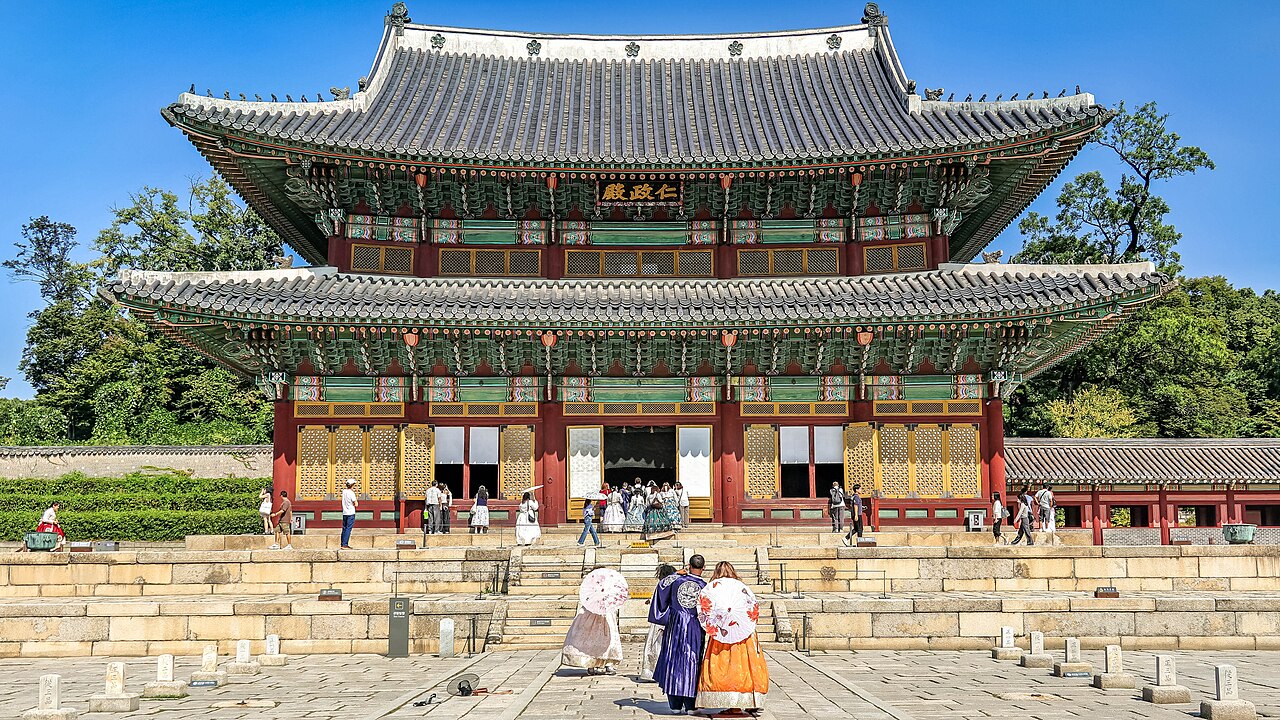
Changdeokgung: the palace in the trees
Many people’s favourite, and a UNESCO World Heritage Site. The buildings follow the shape of the hills instead of a strict grid, so it feels gentler than Gyeongbokgung. Behind it lies Huwon, the Secret Garden of ponds and pavilions, which you can only enter on a timed guided tour with its own ticket, so book that ahead. Changdeokgung is closed on Mondays.
Changgyeonggung: a glasshouse and a pond
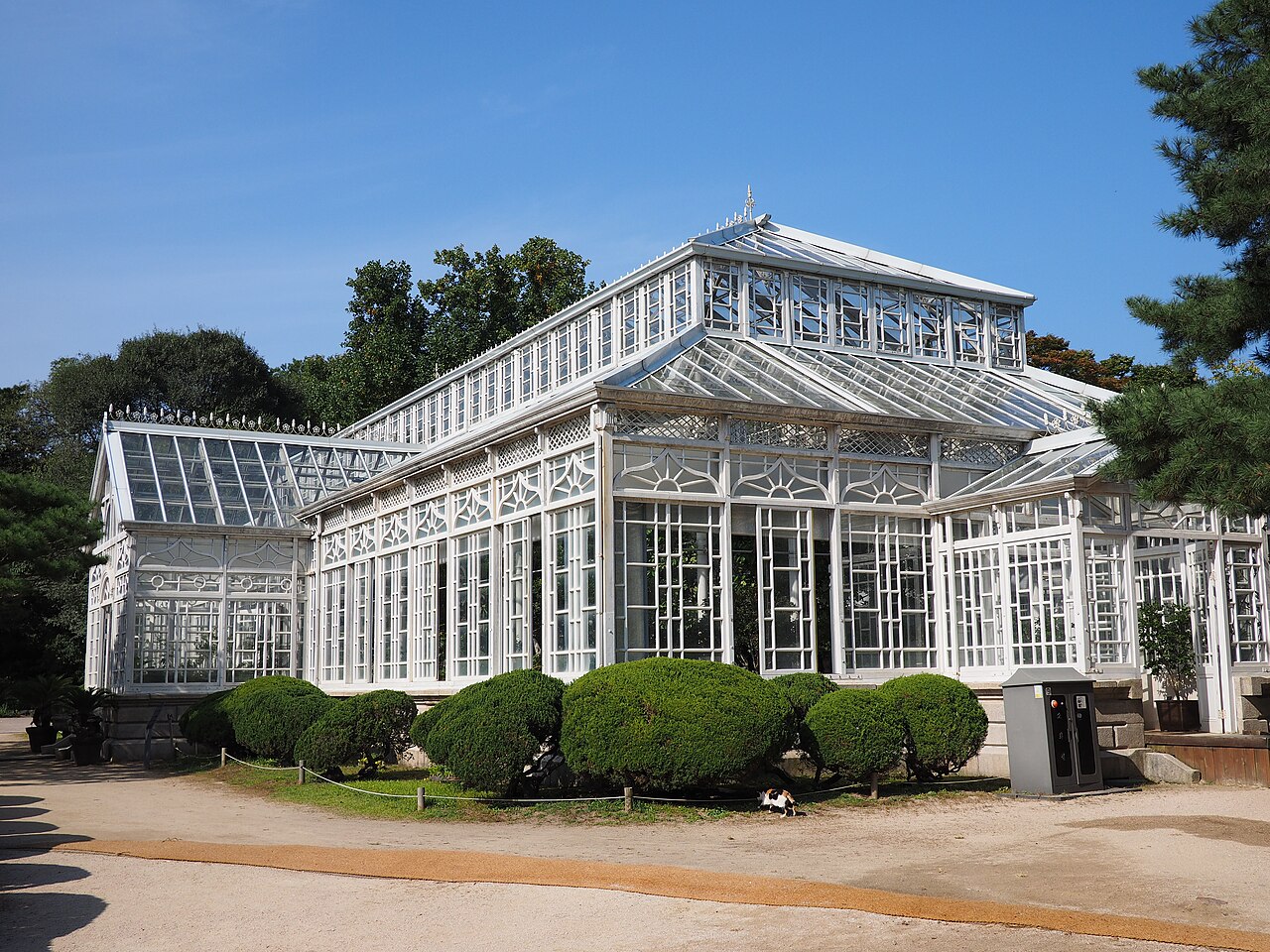
Changgyeonggung shares a wall with Changdeokgung, and it’s the quietest of the four. At the back, past a pond, stands a white glasshouse from 1909, the first Western-style greenhouse in Korea, full of plants. Changgyeonggung is closed on Mondays.
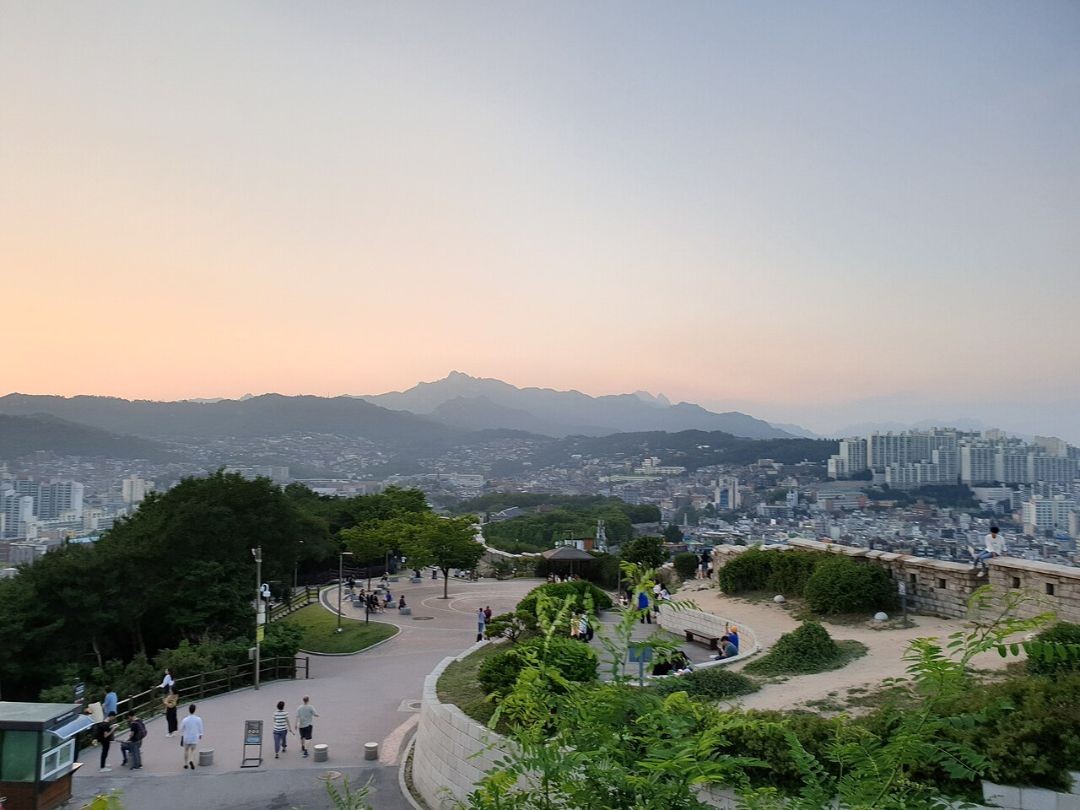
From the palace it’s about a fifteen-minute walk east to Hyehwamun gate, where the old fortress wall climbs to Naksan Park. Time it for the late afternoon and you’ll reach the top as the city lights come on.
Deoksugung: stone halls in the middle of the city
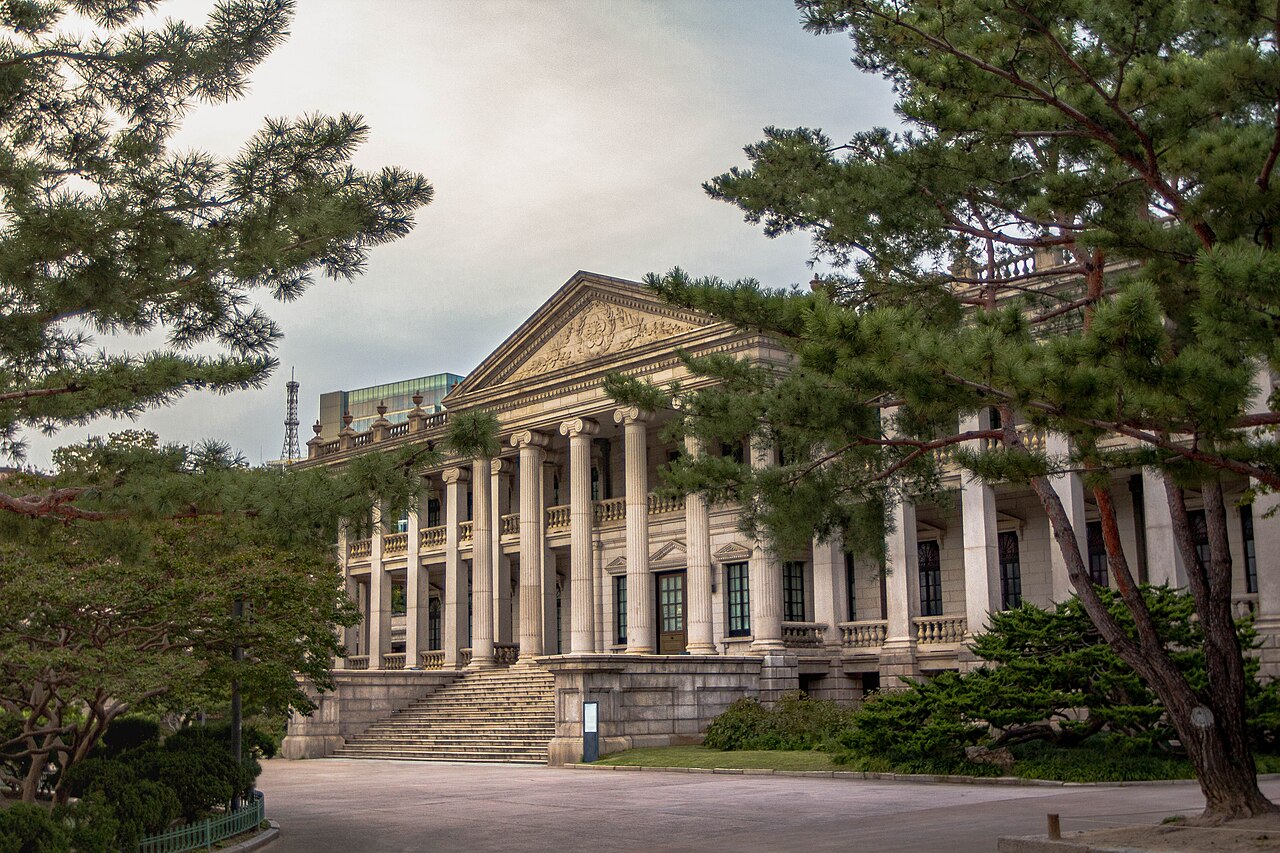
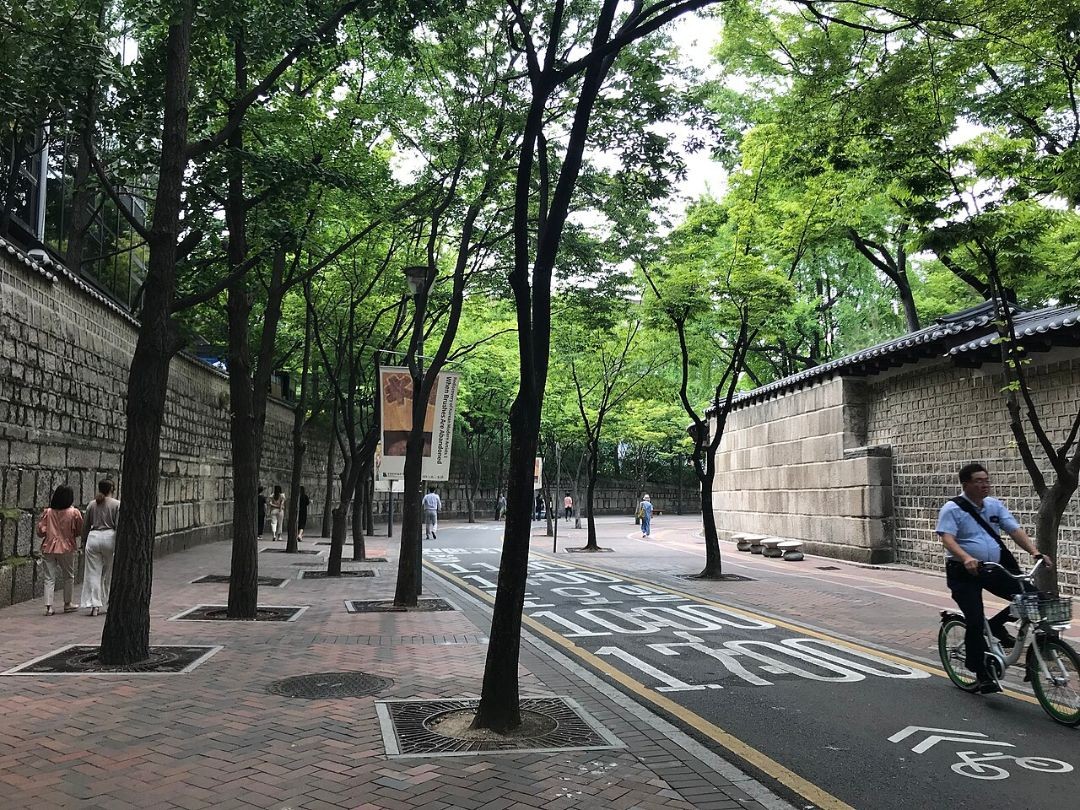
The smallest palace sits right across from City Hall, and it mixes old and new: wooden halls next to Seokjojeon, a stone hall with columns finished in 1910. Deoksugung is closed on Mondays, but the stone wall road along its side is open every day and is one of the calmest streets in the centre.
Jongmyo: the royal shrine
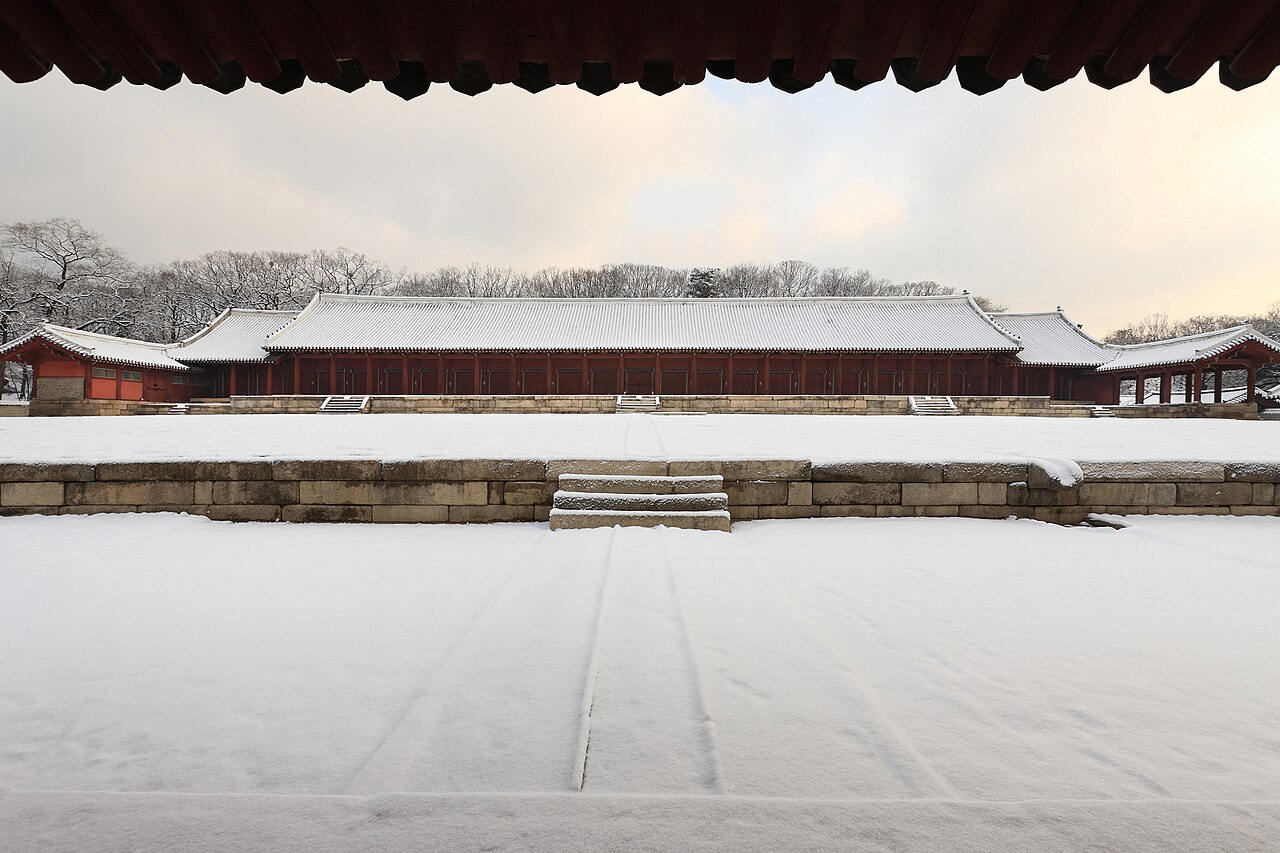
Not a palace but the shrine where the Joseon kings and queens were honoured, and a UNESCO World Heritage Site. Its main hall is one long, low building on a wide stone courtyard, very simple and very still. Jongmyo is closed on Tuesdays.
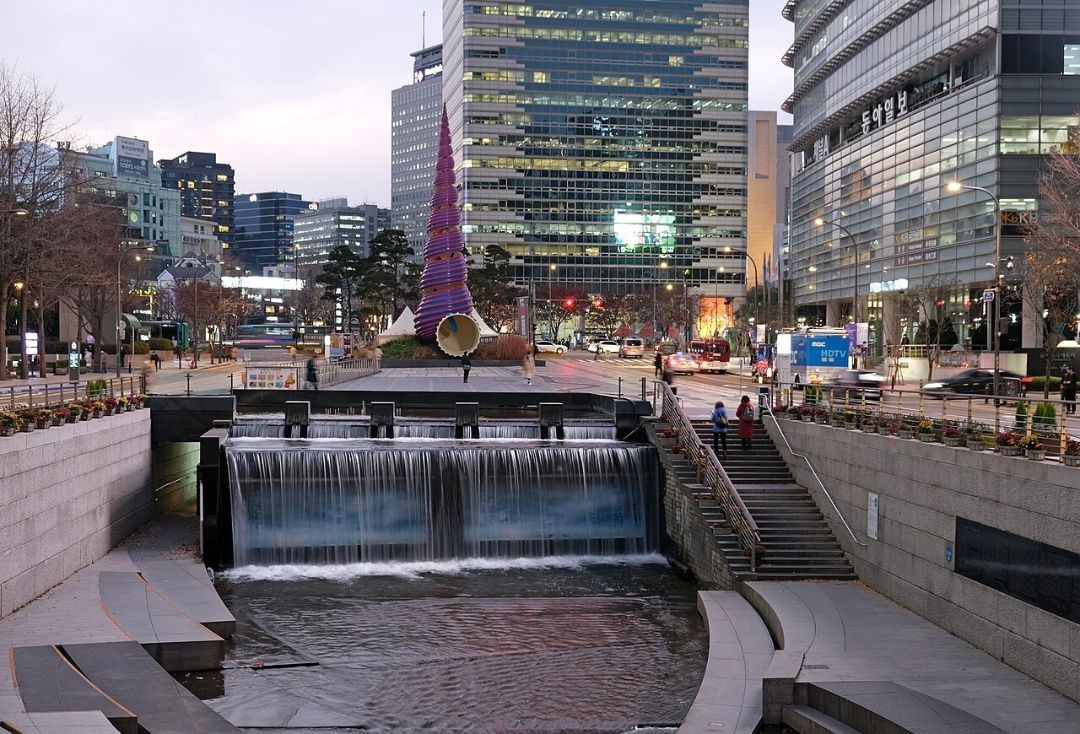
Cheonggyecheon stream is about ten minutes’ walk south. Follow it west towards Gwanghwamun as the evening comes in.


Tickets and closing days
- When we wrote this, Gyeongbokgung and Changdeokgung cost 3,000 won for adults, and Changgyeonggung and Deoksugung 1,000 won. A rise in palace fees has been under discussion for 2027, so check before you go.
- Visitors aged 18 and under or 65 and over get in free.
- Closed on Mondays: Changdeokgung, Changgyeonggung and Deoksugung. Closed on Tuesdays: Gyeongbokgung and Jongmyo.
- A combined ticket for the four palaces and Jongmyo has been sold at the gates. Check the current price and conditions at the ticket office.
- The Secret Garden at Changdeokgung needs its own ticket and a timed tour. Book it first, then plan the rest of the day around it.
A few things we’d tell you first
- Two palaces in one day is plenty. Pair Gyeongbokgung with Deoksugung, or Changdeokgung with Changgyeonggung next door.
- Wear shoes you can walk in on gravel and stone, and bring water in summer: there’s little shade in the courtyards.
- Hours change with the seasons. Check the palace’s own notice before you set off.
- Short on time? Our 3 days in Seoul fits two palaces into a first trip.
Enjoy the quiet corners. They’re usually just past where everyone stops.
Take these walks with you. Every walk on this page opens in Gogil, our walking app, with the route and its stops on a map you can follow as you go.
Found a walk of your own? You don’t have to live here to add one. Mark the stops on the map, write a line about each, and share it: Gogil is for anyone who loves Korea, whether you are here for a week or for good.
On an iPhone, open gogil.kr in your browser: it works there without installing anything. The app’s menus are in English; the walks’ own text in the app is in Korean.