Hidden Gems in Seoul: 10 Quiet Local Walks
Updated 16 November 2026
You've done the palaces, eaten your way through Myeongdong and queued at the famous cafés. Good. Now here's the Seoul that doesn't make the top-ten lists: neighbourhood parks, back alleys and small hills where the people who live here spend a free afternoon.
None of these needs a ticket or a tour, and none of them is crowded on a weekday. Each one is a short walk, with its stops in order on the card under it.
1. Seoseoul Lake Park: a lake in an old water plant
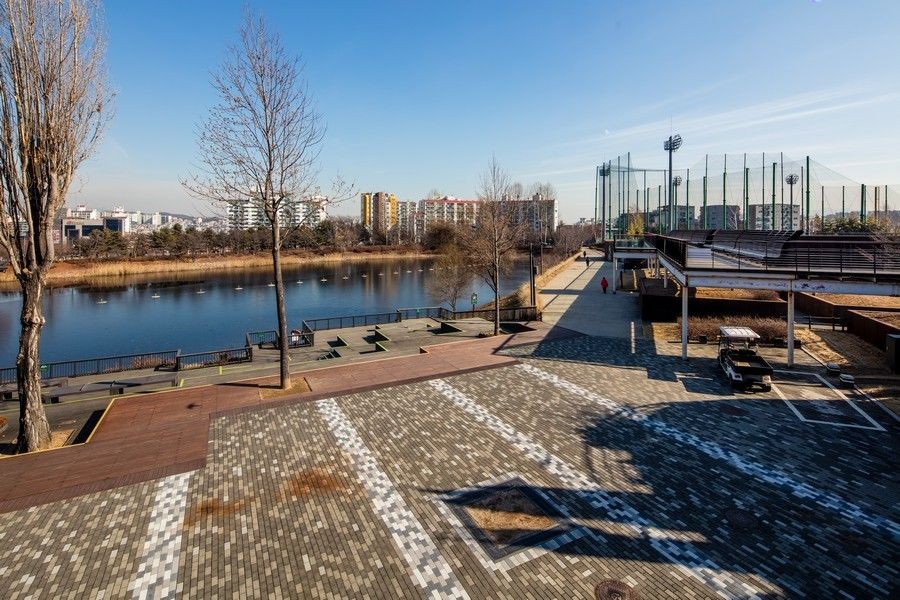
Out west, under the flight path into Gimpo Airport, an old water purification plant became a lake park. You walk past the old concrete structures and along the water to a garden named after Mondrian. Our favourite detail: its fountains were designed to leap up when a plane flies over and the noise gets loud enough. Whether they're running depends on the season.
2. Hang-dong: a walk beside the railway
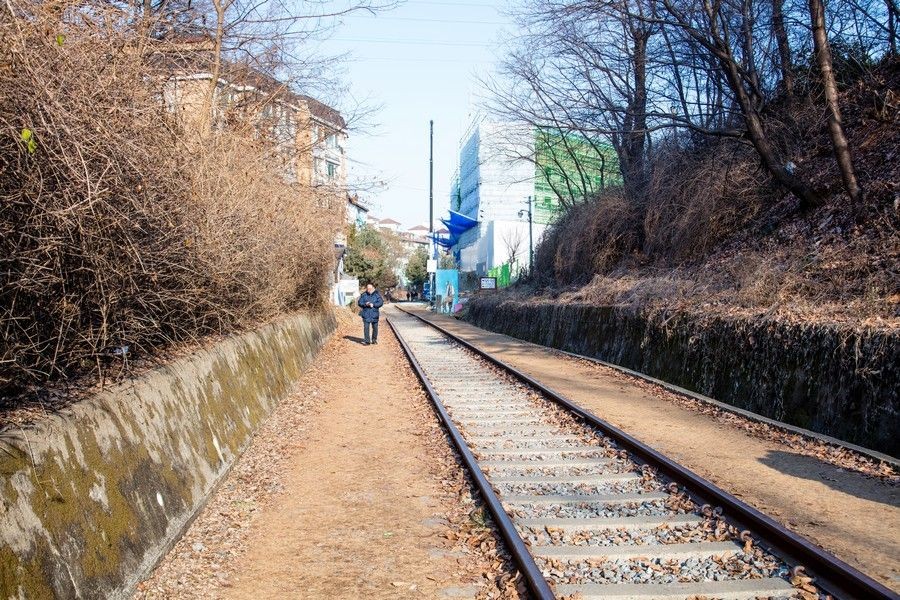
In Guro, on the south-western edge of the city, a railway line runs through an ordinary neighbourhood, and people walk beside it under the trees. It's a favourite with photographers, and on a weekday you'll mostly share it with dog walkers. Stay off the tracks themselves. Pureun Arboretum is right next door if you want more green.
3. Seongbuk-dong: a poet’s house that faces north
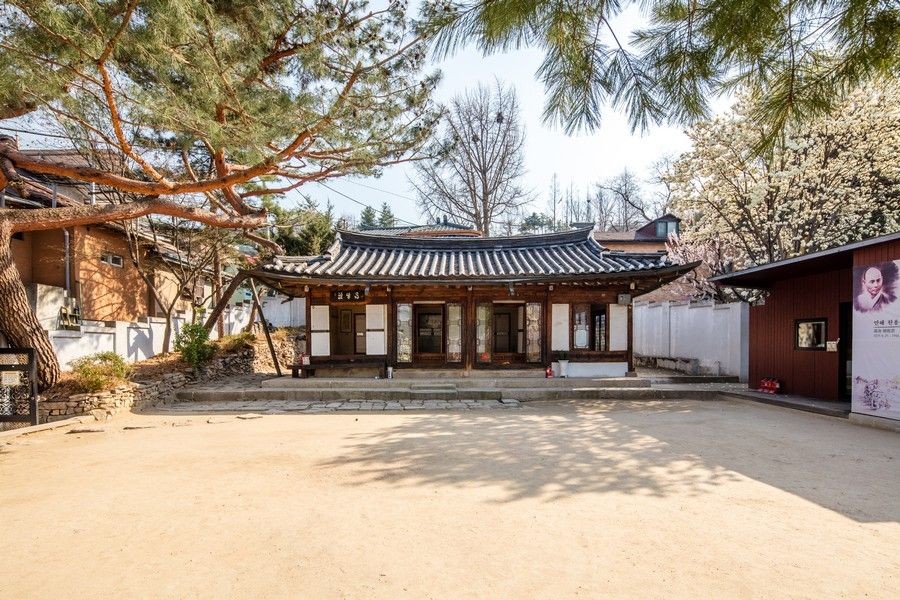
Seongbuk-dong is a hillside neighbourhood of old houses and steep alleys. Near the top of one alley is Simujang, the small hanok where the poet and independence activist Han Yong-un lived until 1944. It faces north, and the story goes that he built it that way so he wouldn't face the Japanese colonial government building to the south.
4. Mangu: a forest where history rests
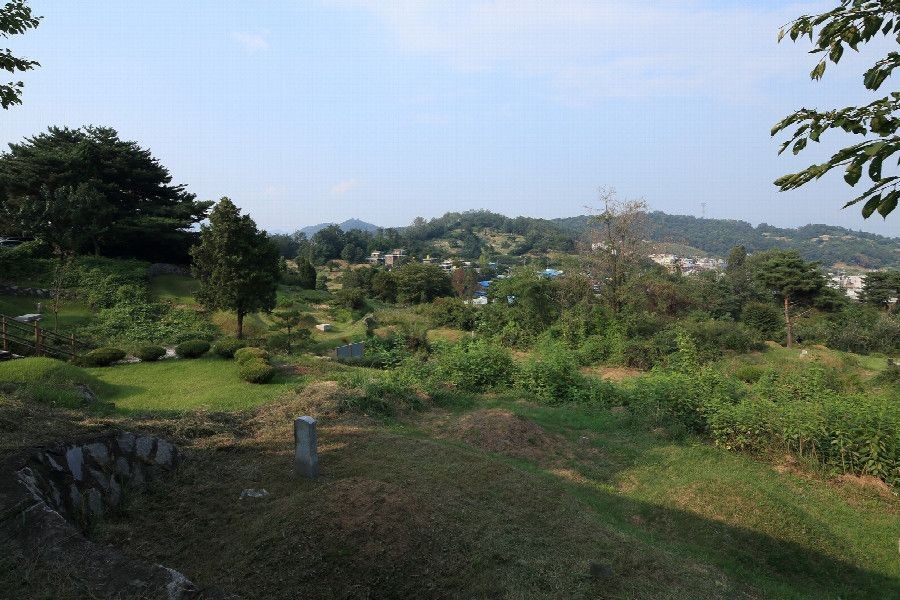
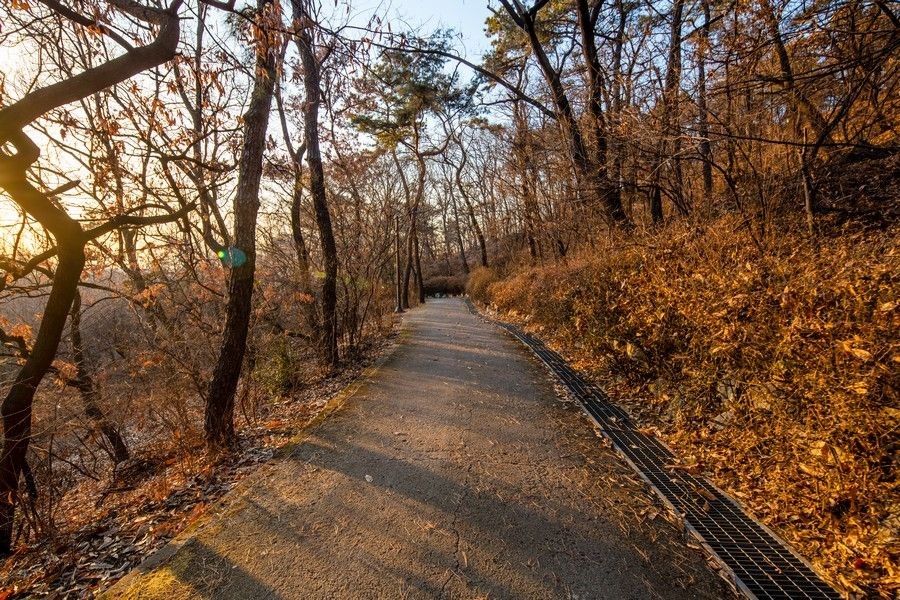
Mangu opened as a public cemetery in the 1930s, and many people from Korea's independence movement are buried on its slopes, Han Yong-un among them. Today it's a quiet wooded park with a long trail around the hill. Walk softly near the graves.
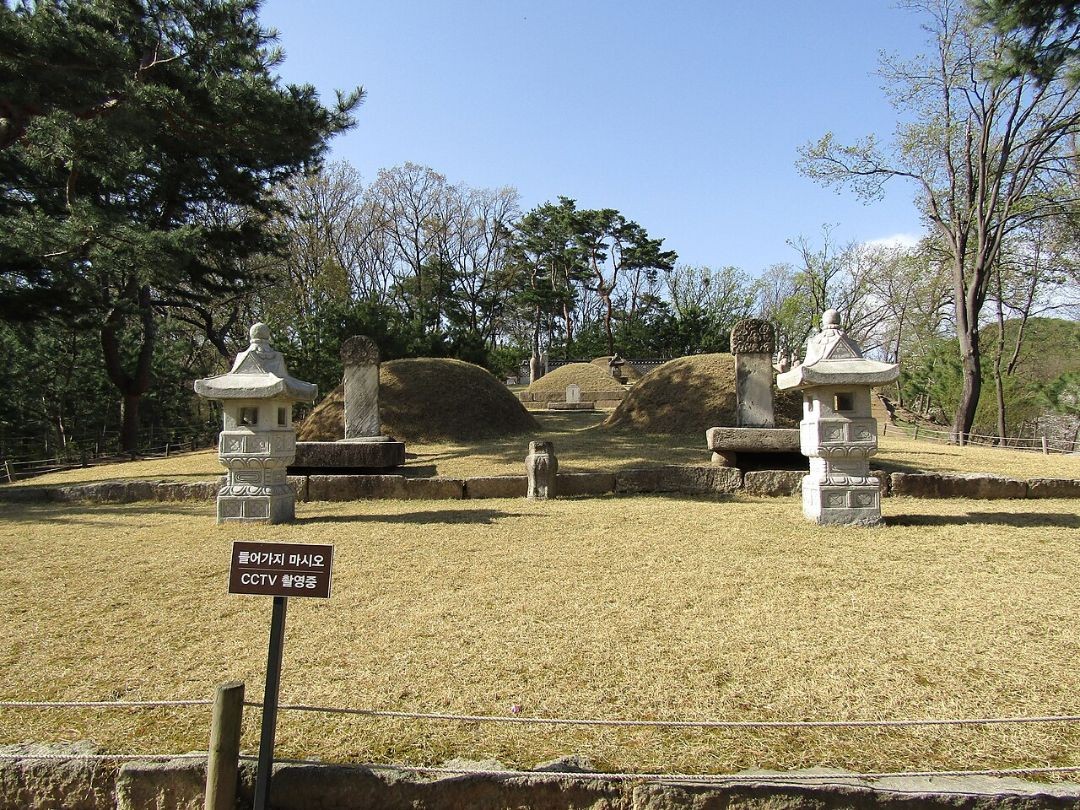
5. Banghak-dong: Seoul’s oldest tree, across from a king’s tomb
In the far north of the city, the tomb of Yeonsangun, a Joseon king who was deposed, sits at the edge of a neighbourhood. Across from it stands a ginkgo tree thought to be well over 800 years old, the oldest tree in Seoul. Come in November, when it turns gold.

6. Seoul Iris Garden: a Cold War bunker turned art space
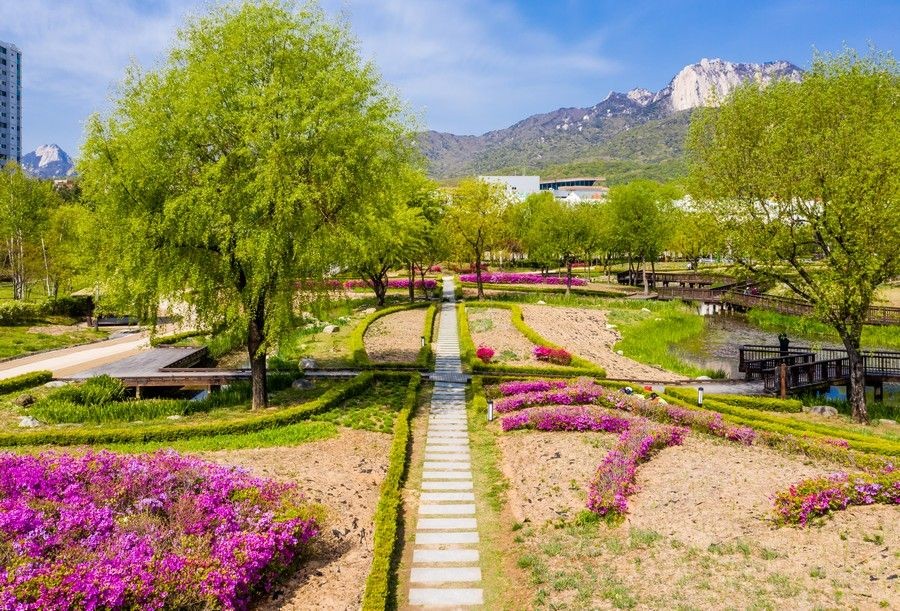
At the northern tip of the city, below Dobongsan, Seoul Changpowon is a garden of irises and wetland plants that few visitors ever reach. The walk ends at the Peace Culture Bunker, a long concrete building put up around 1970 to stop tanks coming down the road from the north. It once had apartments on top. Today it's a space for art and events.
7. Hongneung Forest: Korea’s first arboretum
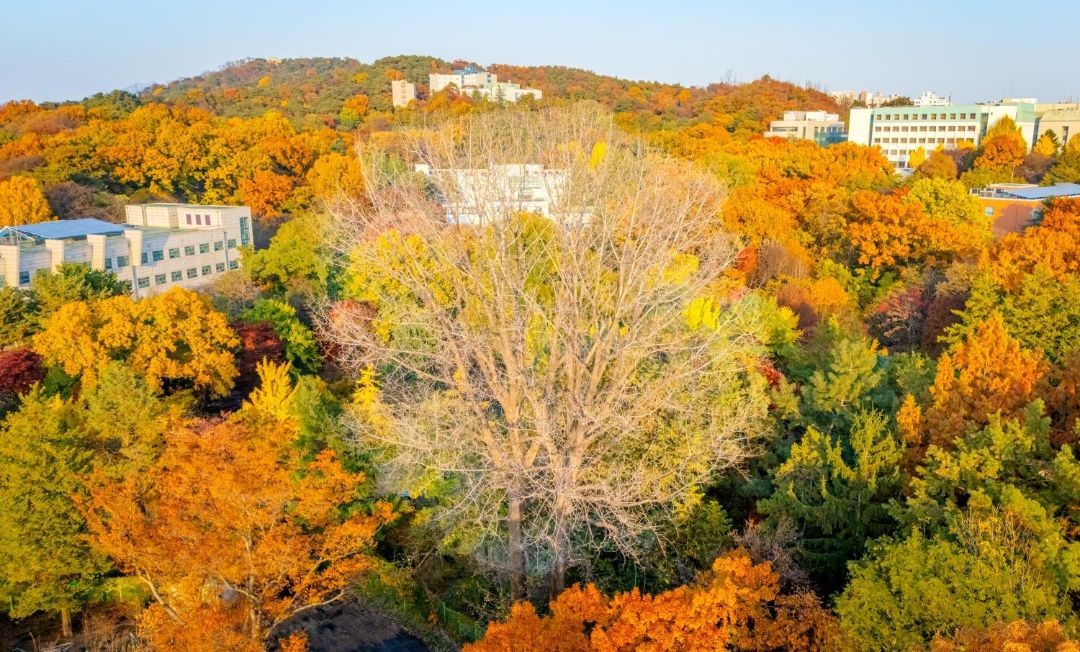
Hongneung Forest in the north-east was planted in 1922 as a forestry research ground, which makes it the country's first arboretum. The name comes from Hongneung, the tomb of Empress Myeongseong, which stood here until it was moved in 1919. Parts of the forest are open to walk in for free; check the opening days before you go.
8. Seoripul Park: a library in the woods
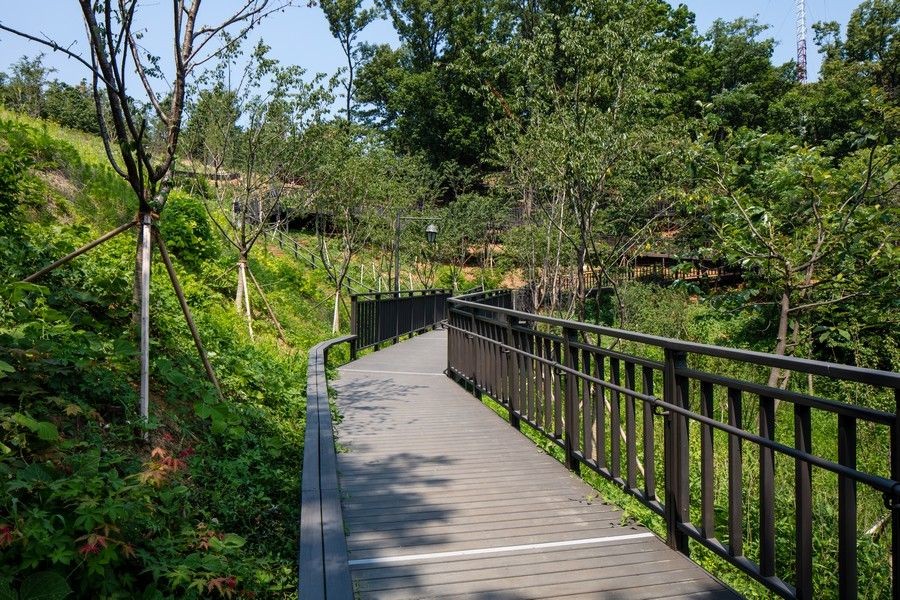
South of the river in Bangbae-dong, a small library sits right at the edge of a forest. Walk out of the Bangbae Forest Environment Library and you're under the trees of Seoripul Park within a minute. The dirt paths slope, so wear shoes with grip.
9. Gungsan: a small hill in the west
Gungsan in Gangseo is a little wooded hill you can loop in about ten minutes: up a stairway, along the ridge and back down the other side. It's the kind of park only the people who live nearby know about.
10. Amsa Ecological Park: willows on the Han River
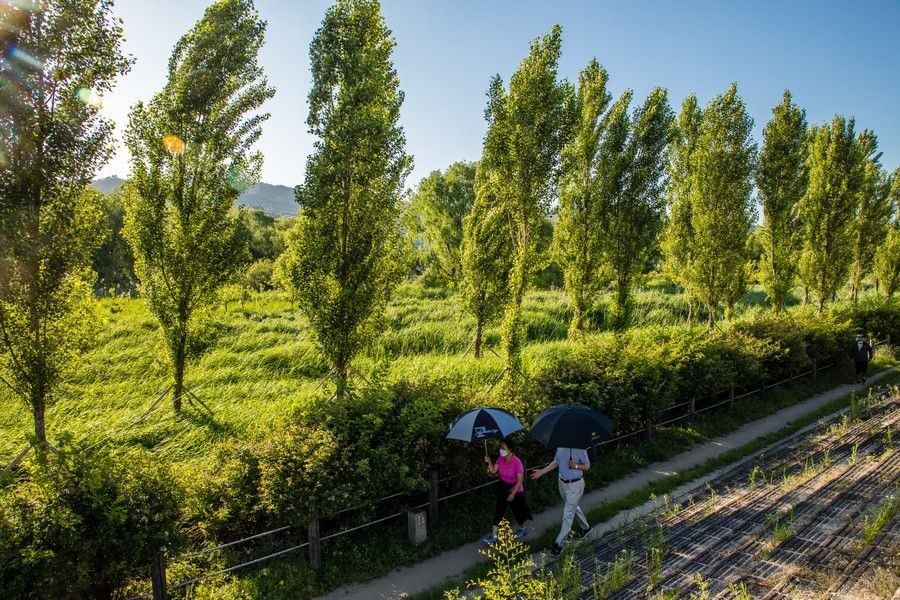
On the far east side of Seoul, a stretch of the Han River's bank has been left to willows and reeds. It's a protected area, so you stay on the trail, and in return you get a riverbank that feels nothing like the rest of the city.
A few things we’d tell you first
- These places are spread out across the city. Pick one or two near where you're staying rather than trying to do them all in a day.
- People live right next to most of them. Keep your voice down in the alleys and near the graves and tombs.
- Paths through the woods and along the river get slippery after rain.
- Want some of the better-known sights too? Our Korea travel guide covers the old city wall, Seochon and the stream through the centre.
Take these walks with you. Every walk on this page opens in Gogil, our walking app, with the route and its stops on a map you can follow as you go.
Found a walk of your own? You don’t have to live here to add one. Mark the stops on the map, write a line about each, and share it: Gogil is for anyone who loves Korea, whether you are here for a week or for good.
On an iPhone, open gogil.kr in your browser: it works there without installing anything. The app’s menus are in English; the walks’ own text in the app is in Korean.